
Introduction to Stir-Fry Noodles
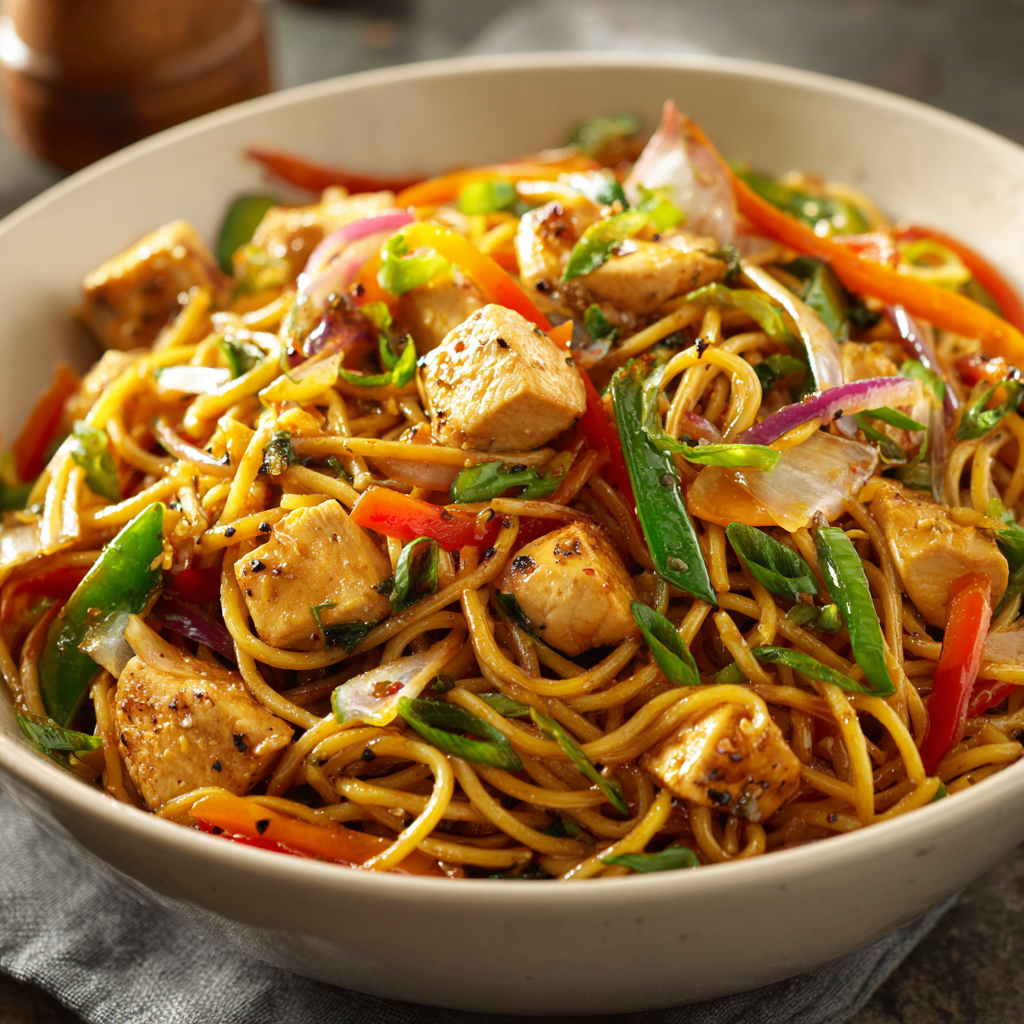
Stir-fry noodles are one of the most versatile and satisfying meals you can whip up in under 30 minutes. Whether you’re a college student cooking in a dorm or a busy parent looking for a quick dinner solution, this dish brings flavor, texture, and nutrition in every bite. Combining hearty noodles, protein-packed chicken or tofu, and a mix of colorful veggies, stir-fry noodles are an excellent balance of taste and convenience.
Originally popularized in East and Southeast Asia, stir-fried noodle dishes have evolved into global favorites. Think pad thai in Thailand, lo mein in China, and yakisoba in Japan — each variation tells its own story with unique sauces and ingredients.
Why Choose Chicken or Tofu?
Choosing between chicken and tofu allows for flexibility based on your dietary needs and flavor preferences.
- Chicken: A lean protein that absorbs flavor exceptionally well. It adds richness and a satisfying bite to your stir-fry.
- Tofu: A plant-based protein powerhouse. Tofu is an excellent choice for vegetarians or those looking to reduce meat consumption. It’s like a sponge for flavor and crisps up beautifully when cooked right.
Both options offer high protein content, low prep time, and immense adaptability for sauces and add-ins.
Essential Ingredients Checklist
Here’s a quick overview of what you’ll need for your stir-fry noodles:
| Category | Ingredients |
|---|---|
| Noodles | Rice noodles, egg noodles, lo mein, soba, or ramen |
| Proteins | Chicken breast/thighs or extra-firm tofu |
| Vegetables | Bell peppers, carrots, broccoli, snow peas, onions, cabbage |
| Sauces | Soy sauce, oyster sauce, hoisin, sesame oil, chili garlic |
| Toppings | Green onions, sesame seeds, crushed peanuts, lime wedges |
Choosing the Right Noodles
The base of your dish matters as much as the toppings. Here are a few options:
- Egg Noodles: Rich and chewy, perfect for Chinese-style stir-fries.
- Rice Noodles: Light, naturally gluten-free, great for Thai or Vietnamese flavors.
- Udon/Soba Noodles: Thicker and more filling, with a nutty undertone.
Avoid overcooking the noodles; slightly underdone noodles work best as they continue to cook in the pan.
Best Chicken for Stir-Fry Dishes
If using chicken, opt for:
- Thighs: Juicier and more forgiving to cook.
- Breasts: Leaner and quicker to cook but can dry out easily if overcooked.
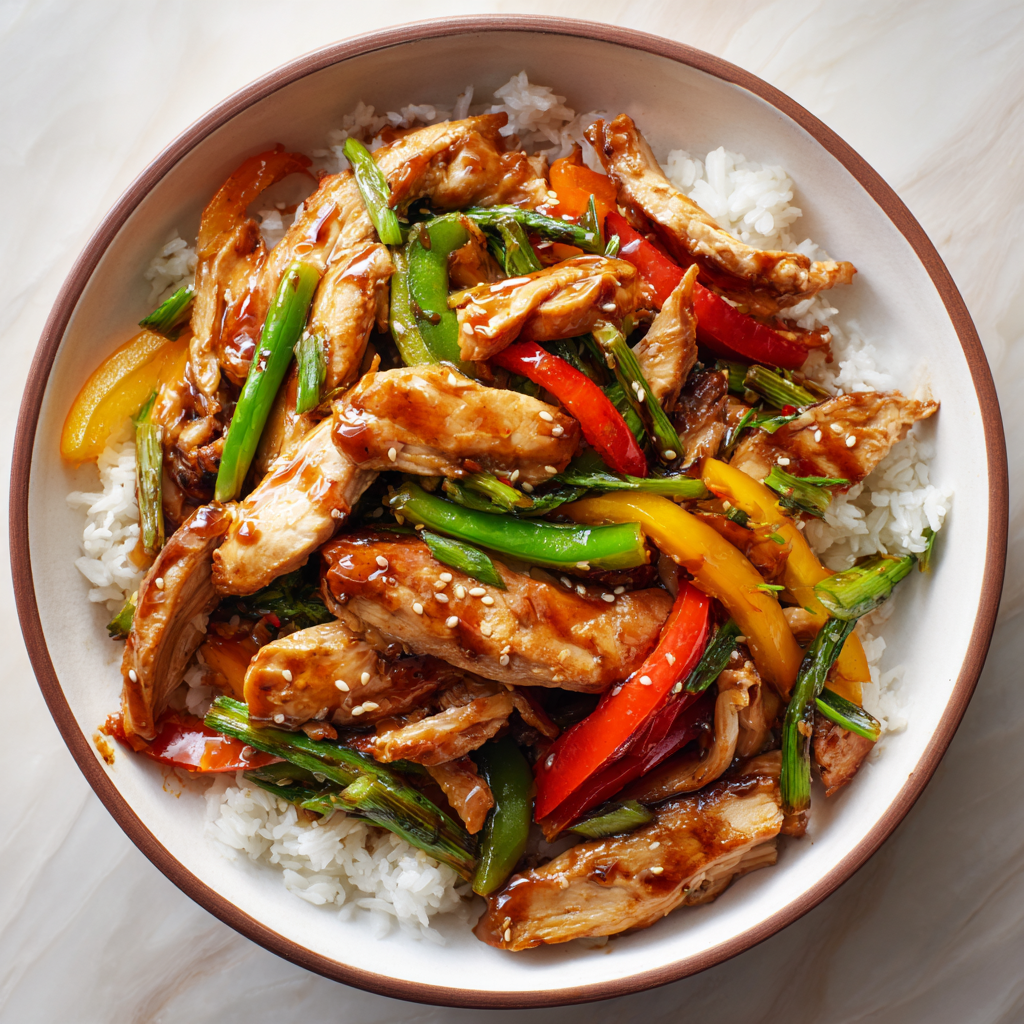
Pro Tip: Slice chicken thinly against the grain for tenderness, and marinate for at least 15 minutes in soy sauce, garlic, and a splash of sesame oil.
How to Prepare Tofu Like a Pro
Tofu can be delicious when handled right:
- Use extra-firm tofu.
- Press it for at least 20 minutes to remove excess moisture.
- Marinate it with soy sauce, garlic, and ginger.
- Pan-fry or bake until golden and crispy.
This gives tofu a meaty texture and helps it soak up sauces better.
Stir-Fry Sauces That Elevate Flavor
A good sauce brings the dish together. Try this blend:
- 2 tbsp soy sauce
- 1 tbsp oyster sauce (skip for vegetarian)
- 1 tbsp hoisin sauce
- 1 tsp sesame oil
- 1 tsp brown sugar
- 1 tsp chili paste (optional)
Mix these together and add toward the end of stir-frying for a rich, glossy finish.
The Perfect Vegetable Mix
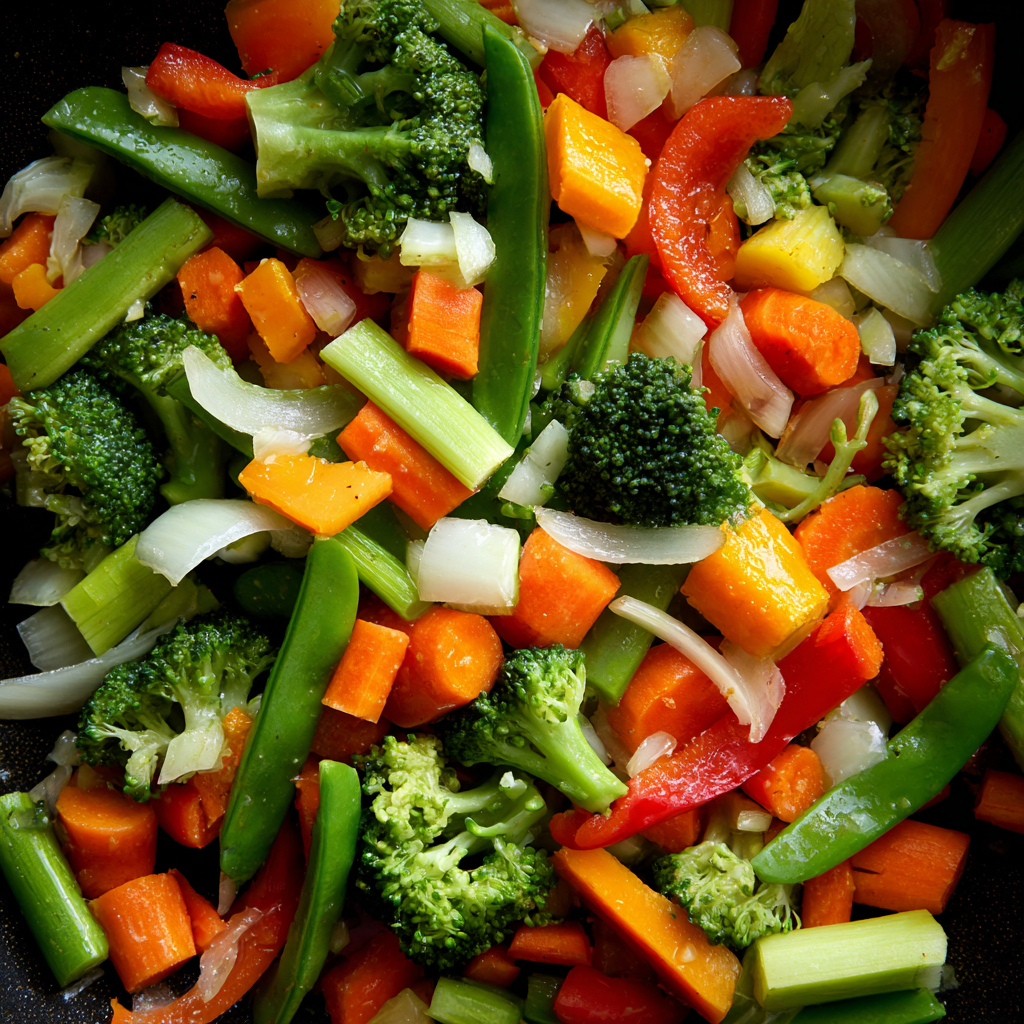
Balance color, crunch, and taste with a variety of vegetables. Some favorites include:
- Crunchy: Carrots, bell peppers
- Tender: Broccoli, cabbage
- Aromatic: Garlic, scallions, onions
- Seasonal: Snap peas, baby corn, spinach
Cut all veggies into uniform sizes to ensure even cooking.
Tools and Equipment You’ll Need
- Wok: Ideal for high-heat stir-frying and even cooking.
- Non-stick skillet: A solid alternative if you don’t own a wok.
- Tongs or spatula: For tossing ingredients without breaking them apart.
- Prep bowls: Help with mise en place for quick and organized cooking.
Step-by-Step Cooking Instructions
- Prep all ingredients. Cook noodles, chop veggies, slice protein.
- Cook protein separately until golden; remove and set aside.
- Stir-fry veggies over high heat for 3–4 minutes.
- Add noodles and protein back into the pan.
- Pour in sauce, toss everything to coat evenly.
- Top with garnishes like green onions or sesame seeds.
Chicken Version: Flavorful & Savory
Marinate chicken in garlic, ginger, soy sauce, and sesame oil. Brown in a hot wok until golden, then combine with noodles and vegetables. Finish with a dash of lime juice and crushed peanuts for a Thai-inspired kick.
Tofu Version: Crispy & Satisfying
After pressing and cubing the tofu, coat lightly in cornstarch and pan-fry until golden. Add to your stir-fry after veggies have softened, then stir in sauce. Tofu soaks up the bold, umami flavors and retains a crispy exterior.
Healthy and Gluten-Free Options
Want a lighter dish?
- Use zucchini noodles or brown rice noodles.
- Choose low-sodium soy sauce or coconut aminos.
- Ensure sauces are gluten-free (check labels!).
These swaps make your stir-fry suitable for gluten-sensitive diets without sacrificing flavor.
Customizing Your Stir-Fry
Get creative with add-ons:
- Make it spicy: Add sriracha, red chili flakes, or Thai chilies.
- Add crunch: Toss in roasted peanuts, water chestnuts, or sesame seeds.
- Switch proteins: Try shrimp, beef strips, tempeh, or even scrambled eggs.
Common Mistakes to Avoid
Avoid these pitfalls:
- Overcrowding the pan: Cook in batches for even browning.
- Using raw noodles: Always parboil unless using pre-cooked types.
- Skipping seasoning: Taste your sauce and adjust as needed.
- Rushing the prep: Stir-frying is fast, so have everything ready beforehand.
Pairing Suggestions & Meal Ideas
Make it a complete meal:
| Main Dish | Side/Drink Pairing |
|---|---|
| Stir-Fry Noodles | Cucumber salad, spring rolls |
| Chicken Stir-Fry | Jasmine rice, miso soup |
| Tofu Stir-Fry | Cold noodle salad, green tea |
Leftovers can be turned into lettuce wraps or noodle salad the next day!
Storage and Reheating Tips
- Store in airtight containers in the fridge for up to 3 days.
- Reheat on the stovetop for best texture.
- Avoid microwaving tofu—it gets rubbery.
- Freeze cooked chicken version for up to a month (tofu texture changes when frozen).
FAQs About Stir-Fry Noodles with Chicken or Tofu
1. Can I use frozen vegetables?
Yes! Just thaw them first and dry off any excess water to prevent sogginess.
2. How do I prevent noodles from sticking together?
Toss cooked noodles in a bit of oil before adding to the pan.
3. Is tofu really filling enough as a meal?
Absolutely. When paired with noodles and veggies, tofu delivers a hearty, protein-rich meal.
4. Can I meal prep this dish?
Yes. Prepare ingredients ahead and store separately. Stir-fry when ready to eat for best results.
5. What’s the best oil for stir-frying?
Use oils with high smoke points like peanut, vegetable, or avocado oil.
6. Can I mix chicken and tofu in one stir-fry?
Sure! Just cook them separately to preserve their individual textures, then combine at the end.
More In-Depth on Noodles: Types and How to Cook Them Right
Choosing the right noodles can make or break your stir-fry. Here’s a closer look at some popular types and how to handle them:
1. Rice Noodles
Common in Thai and Vietnamese cuisine, rice noodles are naturally gluten-free and absorb sauces beautifully. They come in thin (vermicelli), medium, and wide sizes. Soak them in warm water for 20–30 minutes or follow package directions—boiling them can easily lead to mushiness.
Tip: After draining, toss rice noodles in sesame oil to prevent sticking.
2. Egg Noodles
Yellow in color and rich in taste, egg noodles are a staple in Chinese stir-fries like lo mein. Boil until just al dente, then rinse with cold water to stop cooking.
3. Soba and Udon Noodles
Soba noodles (made from buckwheat) have a nutty taste, while udon noodles are thick and chewy. Both add a Japanese twist to your dish.
Note: Udon tends to soak up more sauce, so double up if using these noodles.
Mastering Stir-Fry Techniques: Cooking Like a Chef
The key to a successful stir-fry is high heat and fast movement. Here’s a detailed breakdown:
1. Mise and Place Is Essential
“Everything in its place” — prep all your ingredients and line them up near your stove. Stir-frying happens quickly, and pausing to chop something mid-cook will ruin the rhythm.
2. Cook in Stages
- Protein First: Sear until golden, then remove.
- Aromatics Next: Ginger, garlic, and scallions should hit the hot pan early.
- Veggies in Order of Hardness: Start with carrots and broccoli, end with spinach or bean sprouts.
3. Use High Heat
Stir-fry should sizzle. Use a wok if possible, as its shape distributes heat evenly. A stainless-steel skillet can work too — avoid cast iron unless it’s well-seasoned, as food might stick.
4. Don’t Overcrowd the Pan
If you add too much at once, the pan cools and you steam your food instead of stir-frying. Work in batches for best results.
Layering Flavor: Beyond Soy Sauce
While soy sauce is a classic, there are many ways to elevate your stir-fry:
Savory Additions:
- Miso paste: A spoonful adds deep umami.
- Anchovy paste or fish sauce: Use sparingly, but it gives an authentic Southeast Asian depth.
- Shaoxing wine or dry sherry: Adds complexity to chicken stir-fries.
Sweet Balancers:
- Honey or brown sugar: Sweetness balances out salty and spicy notes.
- Mirin or rice vinegar: Adds brightness and acidity.
Heat Elements:
- Chili garlic sauce: Brings both heat and tang.
- Fresh chili slices: Thai bird’s eye chili for fire lovers.
Tofu Tips: Taking Texture to the Next Level
Many avoid tofu due to texture issues. Here’s how to fix that:
1. Freeze Tofu First
Freezing creates small holes in tofu that allow it to absorb marinades better and gives it a chewier texture. Just thaw before cooking.
2. Use Cornstarch or Arrowroot
Coating tofu cubes in a light dusting before pan-frying gives a satisfying crispy crust.
3. Bake for 30 Minutes at 400°F
You’ll get crisp edges without frying — perfect for low-oil cooking.
Protein Alternatives for More Variety
Want to mix things up beyond chicken or tofu? Here are some stellar alternatives:
- Tempeh: Firmer than tofu with a nuttier flavor.
- Shrimp: Quick to cook and adds a seafood twist.
- Beef: Use flank or skirt steak sliced thinly.
- Eggs: Scramble before or during cooking for extra richness.
Pro Tip: Use smaller portions of multiple proteins for a “combo plate” style dish.
Advanced Customizations and Flavor Combinations
Spice up your stir-fry noodles by using regional themes:
1. Thai-Inspired
- Use rice noodles, tofu, peanuts, lime juice, and cilantro.
- Sauce: Tamarind paste, soy sauce, fish sauce, and sugar.
2. Korean-Inspired
- Use udon noodles, chicken, gochujang (Korean chili paste), and sesame oil.
- Add kimchi and top with a fried egg.
3. Vietnamese-Inspired
- Use thin rice vermicelli, tofu or chicken, and herbs like mint and Thai basil.
- Dip each bite in a side of nuoc cham sauce (lime, fish sauce, sugar, garlic, chili).
More Common Mistakes and Fixes
Even experienced cooks stumble. Here’s how to avoid rookie errors:
| Mistake | Why It’s a Problem | Fix |
|---|---|---|
| Overcooked veggies | Mushy texture, lost nutrients | Cook veggies briefly, just until tender |
| Watery stir-fry | Diluted flavor | Use less liquid or a cornstarch slurry |
| Burned garlic | Overwhelms dish with bitterness | Add garlic after veggies, not at the start |
| Cold ingredients | Drops pan temperature and leads to steaming | Let ingredients sit out for 10 mins before cooking |
Creative Leftover Ideas
Got leftovers? Give them a makeover!
- Lettuce wraps: Spoon leftovers into butter lettuce for a fresh crunch.
- Noodle frittata: Mix with eggs and bake for a crispy noodle pie.
- Soup starter: Add broth and fresh greens for an Asian-style noodle soup.
- Fried noodle balls: Form leftovers into balls, coat with breadcrumbs, and air fry.
Meal Prepping Stir-Fry Noodles
You can easily make this dish part of your weekly meal prep:
1. Prep Ingredients Separately
- Chop veggies and store them raw.
- Cook noodles slightly under and toss with oil.
- Marinate proteins ahead of time.
2. Cook Fresh in Under 10 Minutes
When ready, just stir-fry and assemble.
3. Freeze Stir-Fry Kits
Create “DIY stir-fry packs” in freezer bags:
- Layer sliced chicken, veggies, sauce, and par-cooked noodles.
- Label with cooking instructions and freeze.
Fun Facts About Stir-Frying
- The term “stir-fry” comes from the Chinese word chao, which means to cook quickly in oil.
- Woks have been used for over 2000 years and are incredibly efficient due to their design.
- Stir-fry became popular in the U.S. in the 1940s during food rationing — it used minimal oil and inexpensive cuts of meat.
Nutritional Breakdown (Approximate)
Here’s a look at the average nutritional profile of a serving of stir-fry noodles with chicken or tofu:
| Nutrient | Chicken Version | Tofu Version |
|---|---|---|
| Calories | 450–500 kcal | 400–450 kcal |
| Protein | 30–35 g | 18–22 g |
| Carbohydrates | 40–45 g | 35–40 g |
| Fat | 15–20 g | 18–25 g |
| Fiber | 4–6 g | 5–7 g |
Note: Varies based on noodle type and vegetables used.
Cultural Significance of Stir-Fry
In Chinese culture, stir-frying isn’t just a method—it’s a philosophy. It reflects the importance of balance: hot and cool, sweet and salty, crunchy and soft. In many Asian households, the wok is the heart of the kitchen, symbolizing nourishment and creativity.
Even outside Asia, the simplicity and adaptability of stir-fry noodles have made them global comfort food. They represent the fusion of tradition and innovation on a plate.
Conclusion: Stir-Fry Noodles with Chicken or Tofu Are a Weeknight Win
Whether you lean into the savory juiciness of chicken or embrace the plant-based power of tofu, Stir-Fry Noodles with Chicken or Tofu is the kind of dish that never gets old. It’s endlessly customizable, quick to prepare, and full of bold, balanced flavors.
Now that you’re equipped with expert-level knowledge, pro cooking techniques, flavor-pairing ideas, and meal prep tips, you can stir-fry with confidence and creativity. Fire up your wok and treat yourself to a dish that’s just as fun to make as it is to eat!