
When you’re feeling low, what you eat can make a surprising difference. The science of natural antidepressant foods reveals that specific nutrients can nourish your brain, balance mood-regulating chemicals, and support your emotional wellbeing.
In today’s fast-paced world, stress, poor diet, and lack of rest can lead to fatigue and emotional imbalance. But nature provides an amazing array of foods that act as natural antidepressants — gently lifting your mood without medication. From omega-3-rich fish to colorful berries and dark chocolate, these natural antidepressant foods work synergistically to fight inflammation, support neurotransmitters, and promote a brighter outlook on life.
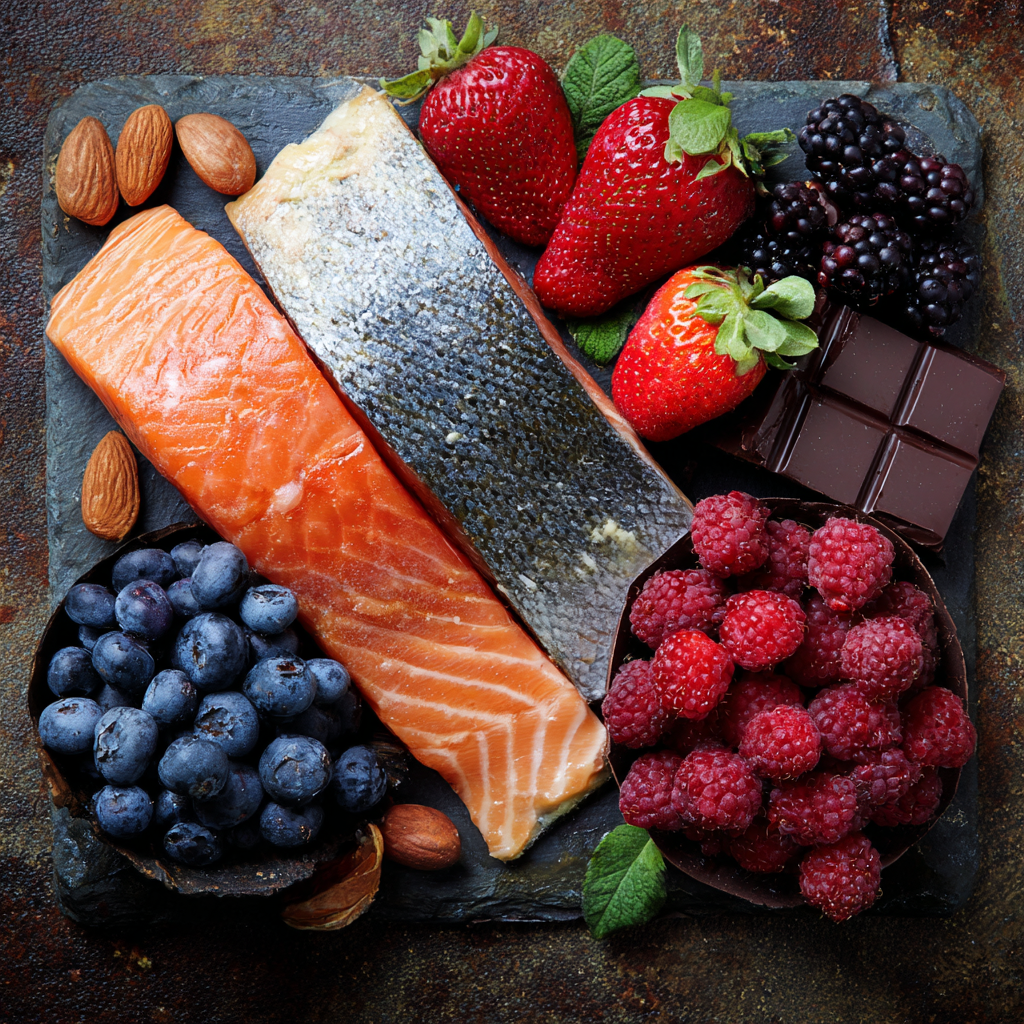
This article explores 10 powerful natural antidepressant foods you can add to your meals starting today. Let’s dive into the science, the benefits, and simple ways to include them in your everyday diet.
Table of Contents
- What Are Natural Antidepressant Foods?
- How Do Natural Antidepressant Foods Work?
- Top 10 Natural Antidepressant Foods
- Fatty Fish (Omega-3 Powerhouse)
- Berries (Antioxidant-Rich Mood Lifters)
- Dark Leafy Greens (Nutrient-Dense Energy Boosters)
- Nuts & Seeds (Brain-Boosting Snacks)
- Fermented Foods (Gut–Brain Connection)
- Whole Grains
- Dark Chocolate
- Legumes
- Avocados
- Turmeric & Spices
- Building a Mood-Boosting Meal Plan
- Risks & Considerations
- Frequently Asked Questions
- Final Thoughts & Call to Action
1. What Are Natural Antidepressant Foods?
Natural antidepressant foods are nutrient-rich ingredients that help support emotional balance, brain function, and mental clarity through their biological effects. Unlike synthetic antidepressants, these foods work naturally — fueling your brain with the vitamins, minerals, antioxidants, and fatty acids it needs to regulate mood and reduce inflammation.
Studies in nutritional psychiatry show that people who consume diets rich in natural antidepressant foods, such as the Mediterranean diet, experience fewer symptoms of depression and anxiety. These foods include fruits, vegetables, whole grains, nuts, seeds, legumes, and fish.
Key Nutrients in Natural Antidepressant Foods
- Omega-3 fatty acids: essential for healthy brain cell membranes.
- B vitamins: especially B6, B12, and folate, crucial for serotonin production.
- Magnesium: helps calm the nervous system and reduce stress.
- Zinc & iron: support brain metabolism and energy.
- Antioxidants: reduce oxidative stress and protect neurons.
- Probiotics: balance gut bacteria, which influences mood.
2. How Do Natural Antidepressant Foods Work?
2.1 Boosting Neurotransmitter Production
Your mood depends heavily on brain chemicals like serotonin, dopamine, and norepinephrine. Nutrients found in natural antidepressant foods — such as tryptophan (from legumes), omega-3s (from fish), and B vitamins (from greens and grains) — act as raw materials for these mood-regulating neurotransmitters.
2.2 Reducing Inflammation
Chronic inflammation has been linked to depression. Natural antidepressant foods like berries, leafy greens, and turmeric contain antioxidants that fight oxidative stress, helping protect brain cells from damage.
2.3 Supporting the Gut-Brain Axis
The gut microbiome communicates directly with your brain via the vagus nerve. Fermented foods like yogurt, kefir, and kimchi promote healthy gut bacteria, which can improve serotonin production and overall emotional balance.
2.4 Regulating Blood Sugar
Mood swings often follow blood-sugar crashes. Whole grains, legumes, and nuts stabilize glucose levels, providing consistent energy and preventing irritability.
3. Top 10 Natural Antidepressant Foods
Now let’s look at the top natural antidepressant foods that science supports for enhancing mood, focus, and resilience.
1. Fatty Fish (Omega-3 Powerhouse)
Why It’s Powerful:
Fatty fish like salmon, sardines, mackerel, and trout are loaded with omega-3 fatty acids, which are critical for brain health and emotional regulation. Numerous studies link low omega-3 intake with higher rates of depression.
How It Helps:
Omega-3s (EPA & DHA) support healthy brain membranes and improve serotonin receptor sensitivity. They also reduce inflammation, a known contributor to mood disorders.
How to Add It to Your Diet:
- Eat salmon or trout 2–3 times per week.
- Try sardine toast with avocado and lemon.
- Add tuna flakes to salads for a protein-packed lunch.
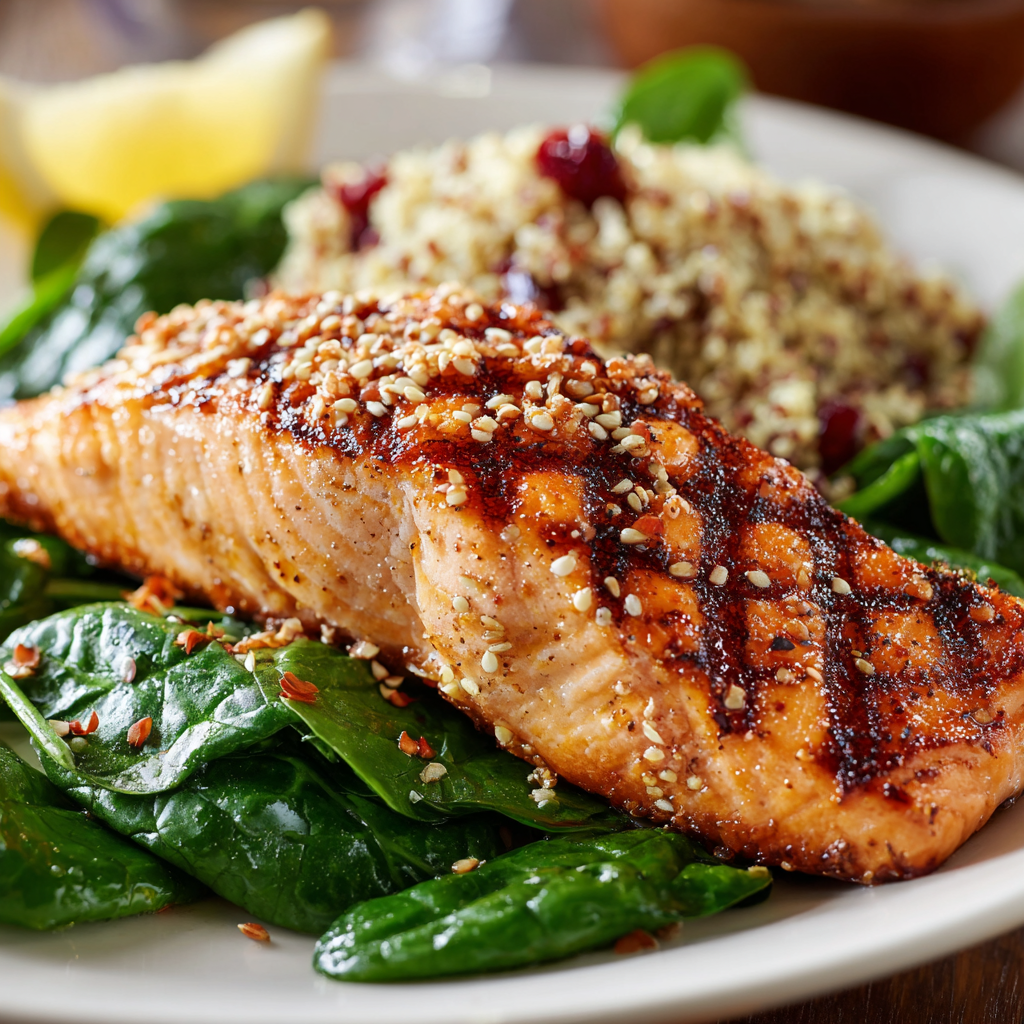
Image alt tag: natural antidepressant foods omega 3 salmon healthy mood
Recipe Idea:
Grilled salmon with a side of spinach salad and quinoa.
2. Berries (Antioxidant-Rich Mood Lifters)
Why It’s Powerful:
Blueberries, strawberries, and blackberries are packed with anthocyanins, potent antioxidants that protect brain cells from oxidative stress — a major factor in depression and fatigue.
How It Helps:
Berries support blood flow to the brain and balance stress hormones. Their natural sweetness also satisfies sugar cravings without blood-sugar crashes.
How to Add It to Your Diet:
- Add a handful of mixed berries to oatmeal or yogurt.
- Blend into smoothies with spinach and chia seeds.
- Snack on frozen berries for a refreshing treat.
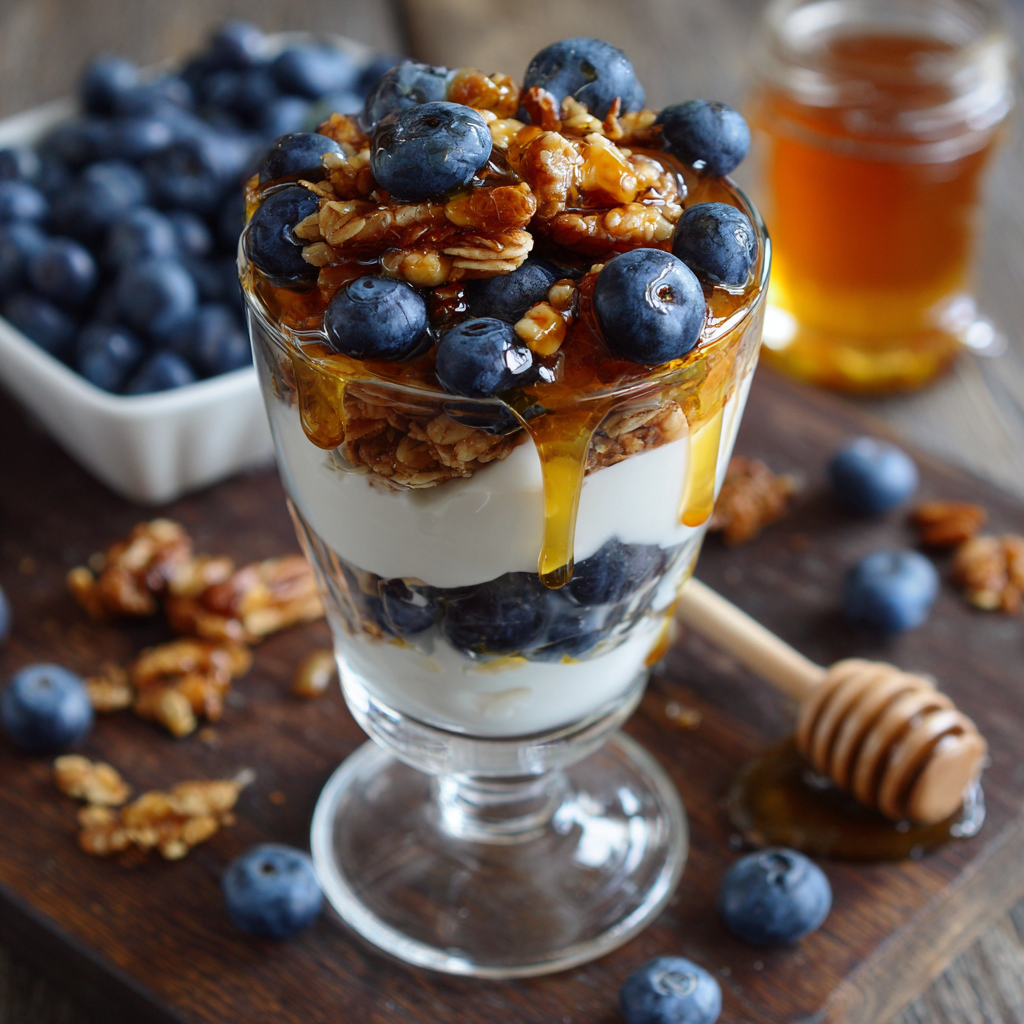
Image alt tag: natural antidepressant foods blueberries antioxidants
Recipe Idea:
Blueberry Greek yogurt parfait with honey and granola.
3. Dark Leafy Greens (Nutrient-Dense Energy Boosters)
Why It’s Powerful:
Spinach, kale, and Swiss chard are some of the most nutrient-dense natural antidepressant foods available. They’re rich in folate, magnesium, and iron — all vital for brain and energy metabolism.
How It Helps:
Folate deficiency has been linked to low serotonin levels. Magnesium promotes relaxation and helps manage stress. Iron prevents fatigue and supports oxygen delivery to the brain.
How to Add It to Your Diet:
- Toss spinach or kale into salads, soups, or smoothies.
- Sauté greens with olive oil and garlic.
- Add them to omelets or wraps.
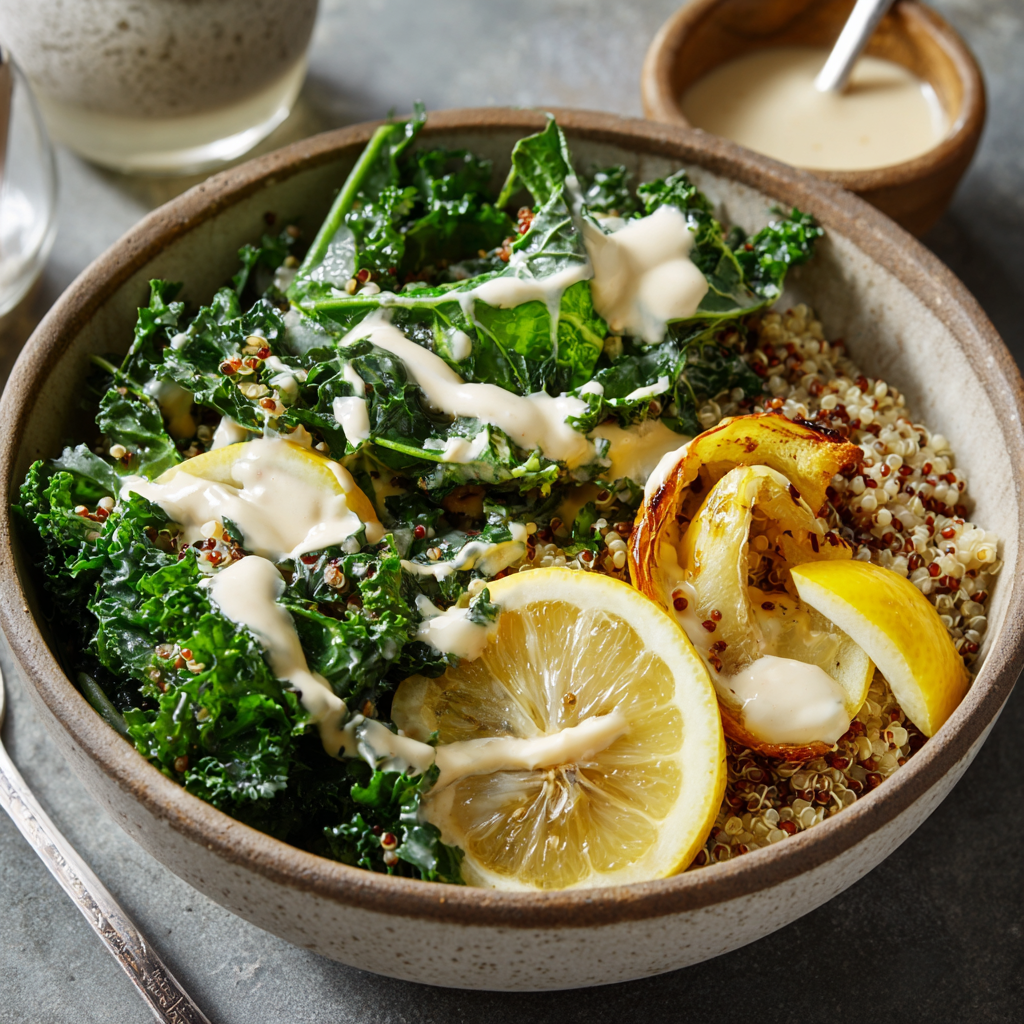
Image alt tag: natural antidepressant foods spinach kale greens
Recipe Idea:
Warm kale and quinoa bowl with lemon-tahini dressing.
4. Nuts & Seeds (Brain-Boosting Snacks)
Why It’s Powerful:
Walnuts, almonds, flaxseeds, and chia seeds provide essential fatty acids, magnesium, and plant-based protein. These nutrients are proven mood stabilizers and support overall brain function.
How It Helps:
- Omega-3s in walnuts and flaxseeds boost mood-regulating neurotransmitters.
- Magnesium helps reduce anxiety and supports restful sleep.
- Vitamin E acts as an antioxidant, protecting brain cells.
How to Add It to Your Diet:
- Sprinkle seeds on oatmeal or smoothie bowls.
- Snack on a handful of almonds or walnuts daily.
- Make homemade trail mix with pumpkin seeds and dried fruit.
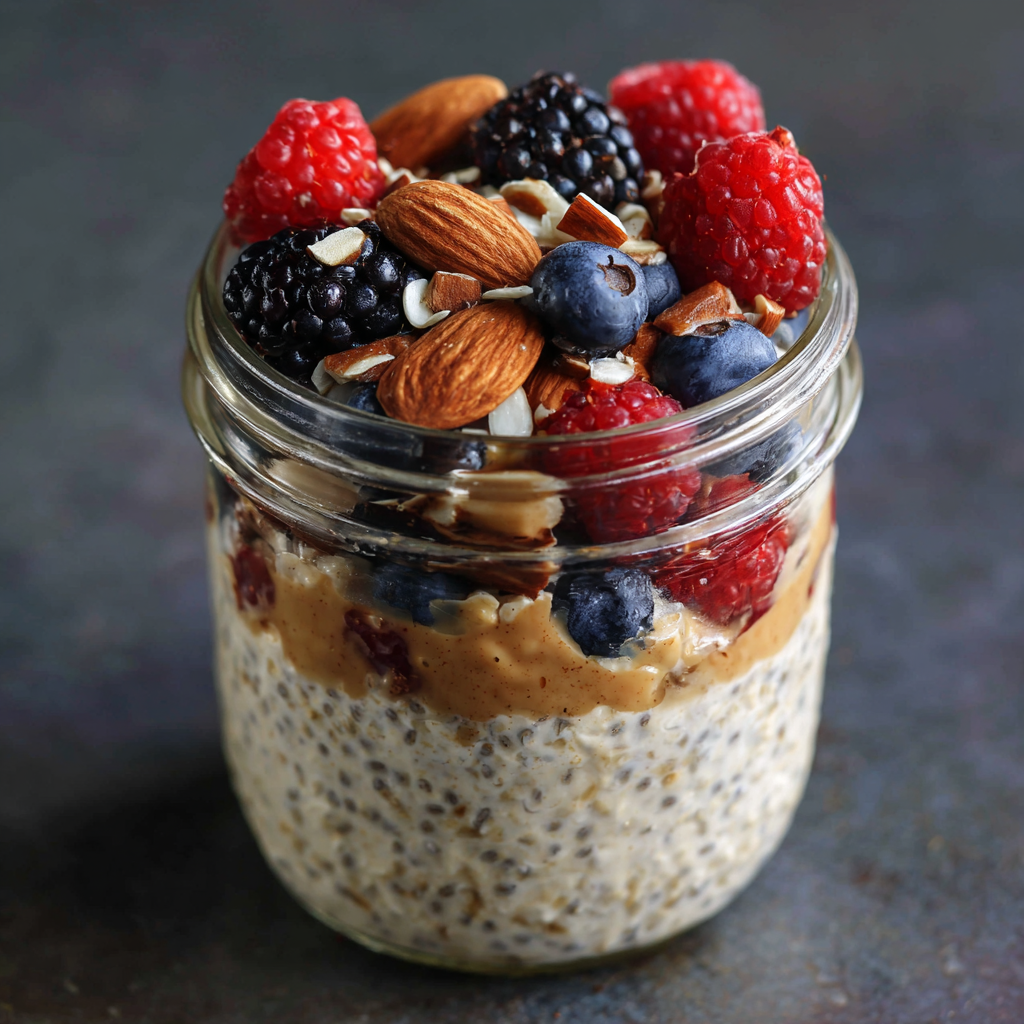
Image alt tag: natural antidepressant foods walnuts chia seeds omega 3
Recipe Idea:
Overnight oats with chia, flaxseed, almond butter, and berries.
5. Fermented Foods (Gut–Brain Connection)
Why It’s Powerful:
Your gut produces nearly 90% of the body’s serotonin. That’s why fermented foods — yogurt, kefir, sauerkraut, kimchi, kombucha — are essential natural antidepressant foods.
How It Helps:
Probiotics in fermented foods regulate gut flora, supporting communication between the gut and brain (the gut-brain axis). Balanced microbiota can help reduce anxiety and improve mood stability.
How to Add It to Your Diet:
- Enjoy plain Greek yogurt topped with fruit and honey.
- Add a spoonful of sauerkraut to grain bowls or sandwiches.
- Sip on kombucha instead of sugary drinks.
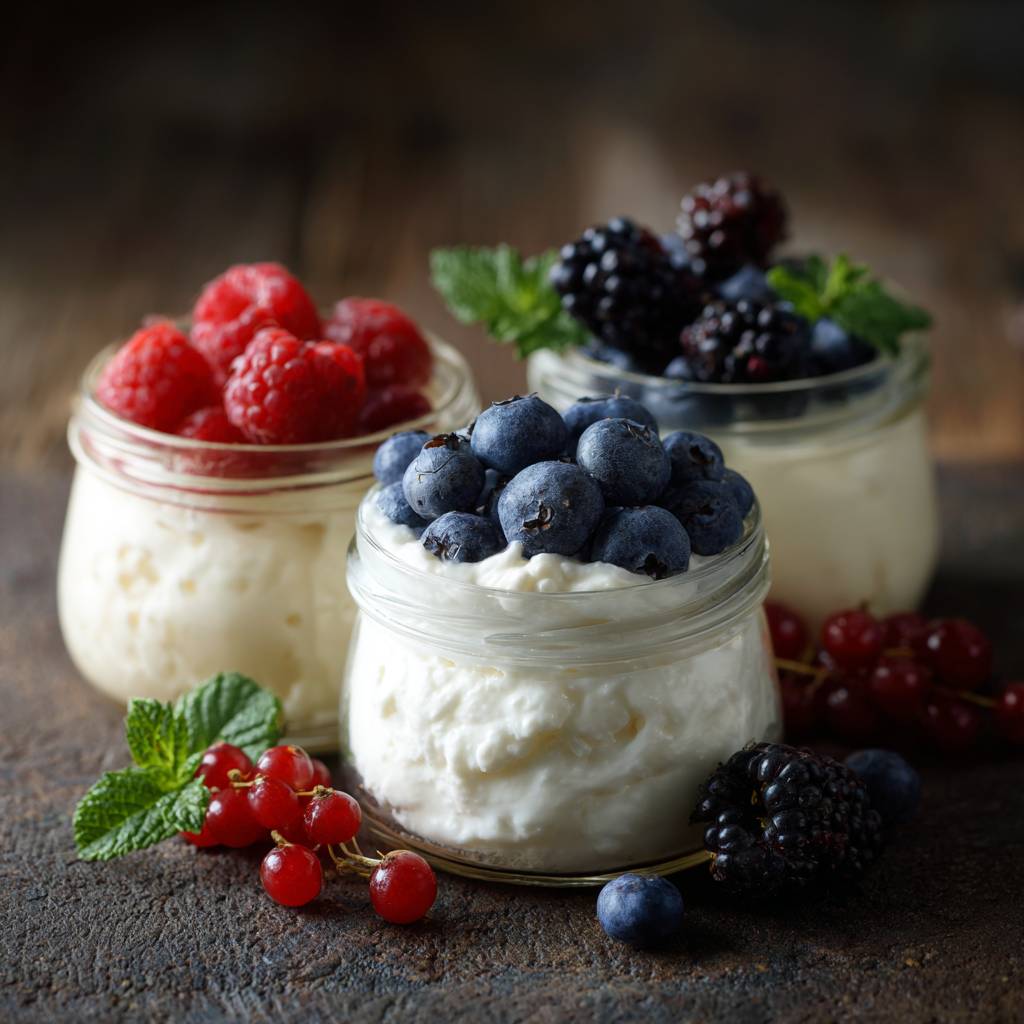
Image alt tag: natural antidepressant foods yogurt kefir probiotics gut health
Recipe Idea:
Greek yogurt parfait with honey, nuts, and mixed berries.
6. Whole Grains (Steady Energy & Balanced Mood)
Why It’s Powerful:
Whole grains — like oats, brown rice, quinoa, barley, and whole-grain pasta — provide complex carbohydrates that fuel your brain steadily throughout the day.
How It Helps:
Complex carbs help increase serotonin levels by facilitating tryptophan absorption into the brain. They also prevent energy crashes caused by refined sugars, helping you stay focused and upbeat.
How to Add It to Your Diet:
- Start your morning with oatmeal topped with berries and nuts.
- Swap white rice for brown rice or quinoa.
- Use whole-grain bread for sandwiches or avocado toast.
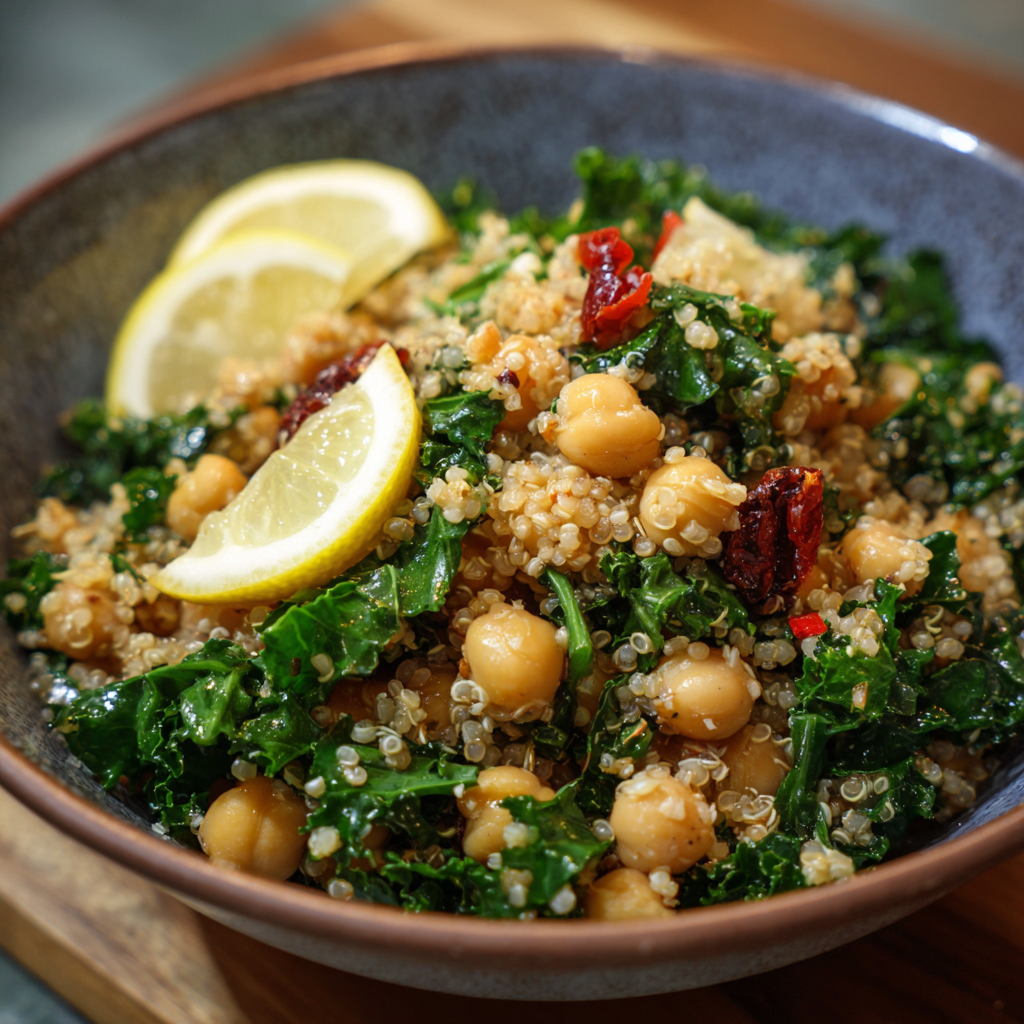
Image alt tag: natural antidepressant foods whole grains oats quinoa brown rice
Recipe Idea:
Quinoa salad with chickpeas, kale, olive oil, and lemon juice — a fiber-rich mood-booster.
7. Dark Chocolate (Happiness in a Bite)
Why It’s Powerful:
High-quality dark chocolate (70% cocoa or higher) is one of the most satisfying natural antidepressant foods for your taste buds and your mood.
How It Helps:
Dark chocolate contains flavonoids and the amino acid tryptophan, which promote serotonin production. It also releases endorphins — natural “feel-good” hormones that boost happiness and relaxation.
How to Add It to Your Diet:
- Enjoy a few small squares of dark chocolate as a treat.
- Add cocoa nibs to smoothie bowls.
- Melt dark chocolate to drizzle over fruit.
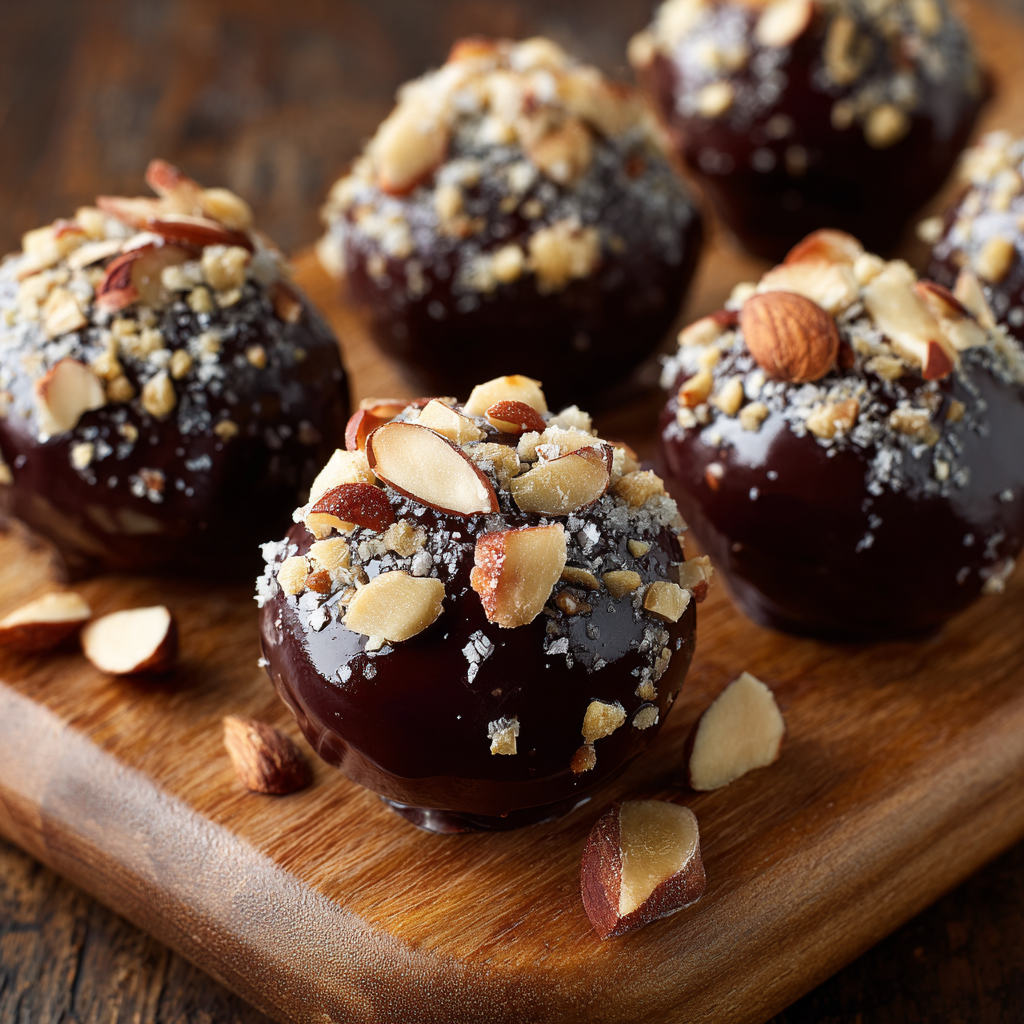
Image alt tag: natural antidepressant foods dark chocolate serotonin mood
Recipe Idea:
Dark chocolate banana bites topped with crushed almonds.
🍫 Pro Tip: Choose dark chocolate with minimal added sugar and no milk solids for maximum benefits.
8. Legumes (Plant-Based Mood Supporters)
Why It’s Powerful:
Beans, lentils, chickpeas, and peas are excellent sources of plant-based protein, fiber, and B vitamins — particularly folate and B6 — which are critical in serotonin and dopamine production.
How It Helps:
Legumes stabilize blood sugar, keep you full longer, and deliver complex carbs for steady energy. Folate deficiency, common in low-legume diets, has been linked to higher rates of depression.
How to Add It to Your Diet:
- Add chickpeas to salads or make hummus.
- Try lentil soup or bean chili for a hearty meal.
- Use black beans in tacos or wraps.
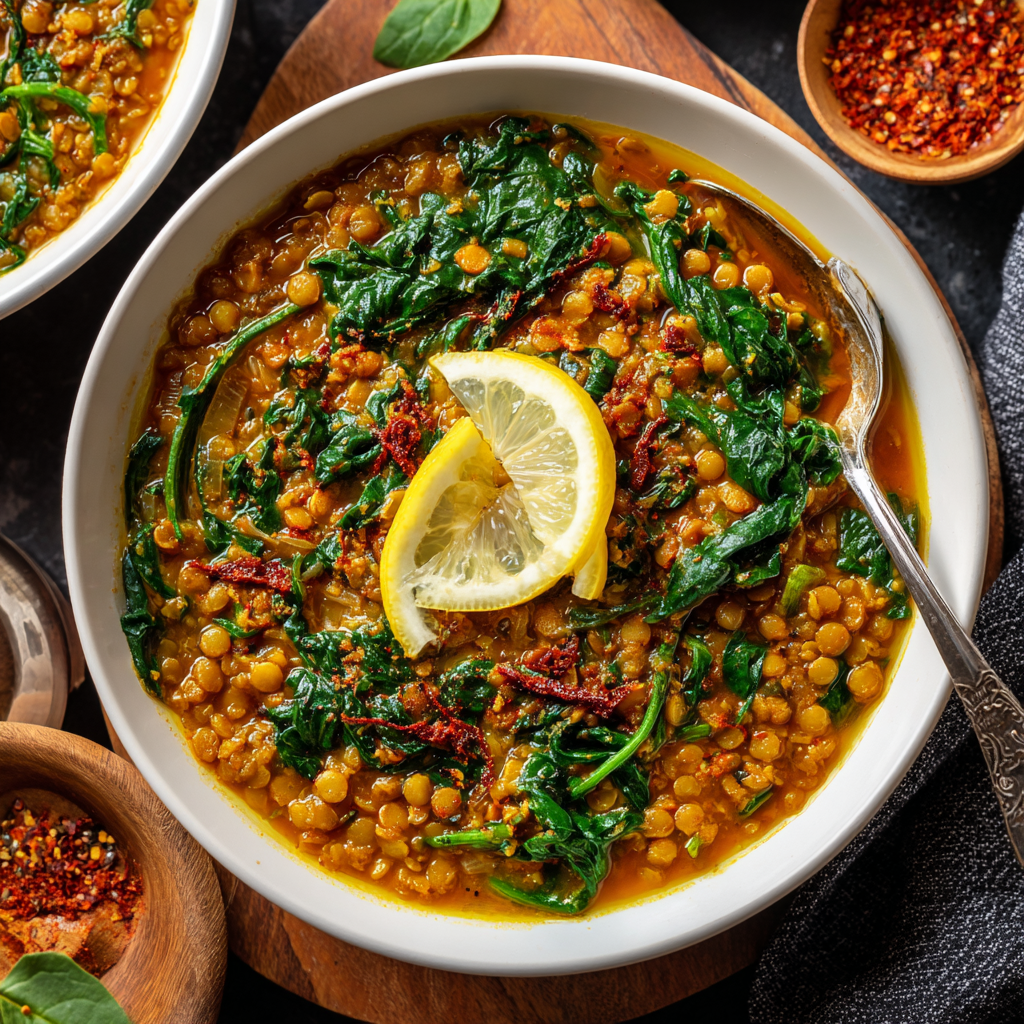
Image alt tag: natural antidepressant foods lentils chickpeas folate
Recipe Idea:
Spiced lentil stew with turmeric and spinach.
9. Avocados (Healthy Fat for a Happy Brain)
Why It’s Powerful:
Avocados are loaded with healthy monounsaturated fats, folate, potassium, and magnesium — making them one of the most versatile natural antidepressant foods.
How It Helps:
Healthy fats enhance nutrient absorption and support cell membrane health. Folate and magnesium aid mood balance and help regulate sleep.
How to Add It to Your Diet:
- Mash avocado on whole-grain toast with tomato slices.
- Add cubes to salads or blend into smoothies.
- Use avocado in creamy dressings or spreads.
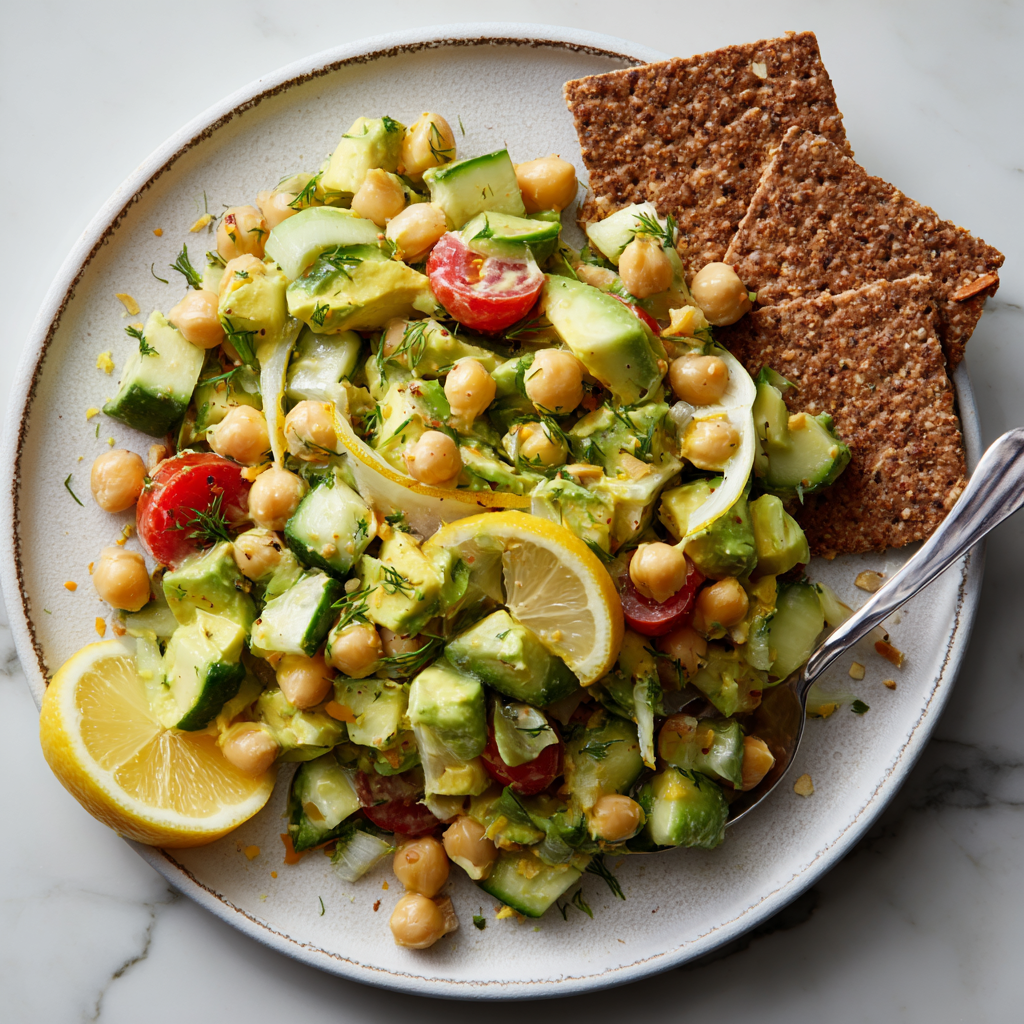
Image alt tag: natural antidepressant foods avocado folate magnesium brain health
Recipe Idea:
Avocado chickpea salad with lemon dressing and whole-grain crackers.
10. Turmeric & Spices (Golden Anti-Inflammatory Healers)
Why It’s Powerful:
Turmeric, ginger, cinnamon, and saffron are among the most studied natural antidepressant foods for their anti-inflammatory and antioxidant effects.
How It Helps:
Curcumin, the active compound in turmeric, boosts serotonin and dopamine. Clinical trials suggest curcumin supplements can be as effective as certain antidepressants for mild depression — naturally and safely.
How to Add It to Your Diet:
- Stir turmeric into soups, stews, or rice dishes.
- Enjoy golden milk (turmeric latte) before bedtime.
- Add a pinch of cinnamon to coffee or oatmeal.
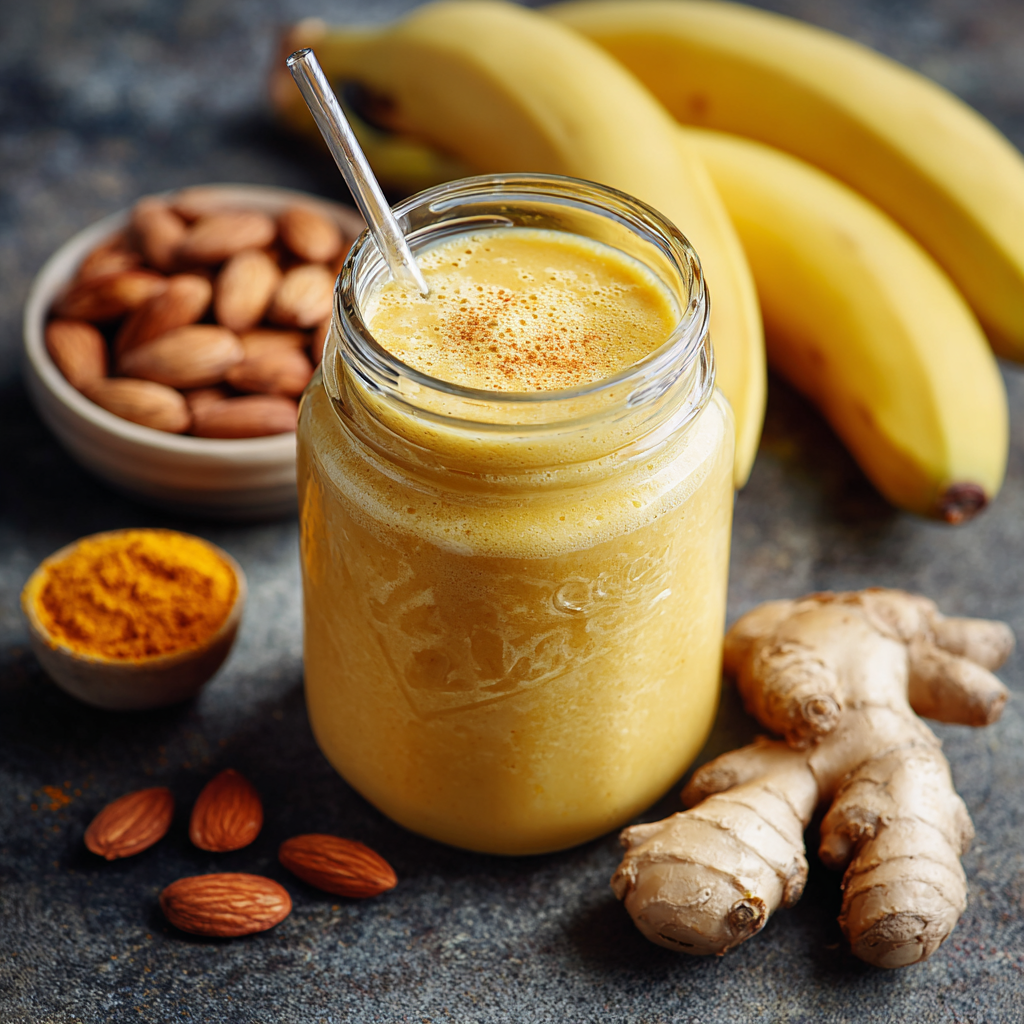
Image alt tag: natural antidepressant foods turmeric curcumin anti-inflammatory
Recipe Idea:
Golden turmeric smoothie with banana, ginger, and almond milk.
4. Building a Mood-Boosting Meal Plan
Now that you know the top natural antidepressant foods, here’s a sample 3-day plan to help you incorporate them into your daily routine.
| Day | Breakfast | Lunch | Snack | Dinner |
|---|---|---|---|---|
| Day 1 | Oatmeal with berries, chia, and yogurt | Salmon and quinoa bowl with greens | Handful of walnuts | Lentil stew with spinach and brown rice |
| Day 2 | Green smoothie with spinach, banana, and kefir | Chickpea avocado salad | Dark chocolate square + almonds | Baked mackerel with roasted vegetables |
| Day 3 | Greek yogurt with blueberries and flaxseed | Whole-grain wrap with hummus and veggies | Kombucha + pumpkin seeds | Turmeric curry with basmati rice |
Tips to Maximize Benefits:
- Include at least five natural antidepressant foods daily.
- Pair plant-based iron (from greens/legumes) with vitamin C (from fruit) for better absorption.
- Stay hydrated and avoid excess caffeine or alcohol.
- Prioritize sleep and physical activity — both work synergistically with mood-friendly foods.
5. Risks & Considerations
While natural antidepressant foods are safe for most people, always consider:
- Allergies: e.g., nuts, fish, or dairy (in yogurt).
- Medication Interactions: if you take antidepressants or MAOIs, consult your doctor before adding large amounts of foods like aged cheese or fermented items.
- Balanced Diet: focus on variety — excessive intake of one type of food won’t deliver all nutrients.
- Lifestyle Factors: mood health relies on more than food — exercise, sleep, and stress management play crucial roles.
6. Frequently Asked Questions
Q1: Can natural antidepressant foods replace medication?
A1: No — these foods are supportive, not a substitute. They complement therapy or medication prescribed by a healthcare provider.
Q2: How long does it take to feel results?
A2: You may notice more stable energy and mood within 2–4 weeks, depending on your overall diet and lifestyle.
Q3: What are the best quick snacks using natural antidepressant foods?
A3: Try yogurt with berries, avocado toast, nuts with dark chocolate, or a small smoothie with spinach and banana.
Q4: Are these foods suitable for children or elderly adults?
A4: Yes! These are nutrient-dense and safe for all ages — just adjust portions as needed.
Q5: Can I combine natural antidepressant foods with supplements?
A5: Absolutely. Supplements like fish oil or vitamin D can complement a balanced diet, but whole foods are always the best foundation.
7. Final Thoughts: Eat for Joy, Live Vibrantly 🌞
Incorporating natural antidepressant foods into your meals is one of the simplest, most empowering steps toward emotional balance and long-term wellness.
From the omega-3s in fish to the antioxidants in berries and the probiotics in yogurt, every meal becomes a chance to nourish not just your body — but your mind and soul too.
Start small: add one new antidepressant food daily and track how your energy, focus, and outlook evolve over a month.
Remember, food is not just fuel — it’s medicine, comfort, and joy.
Call to Action
Ready to elevate your mood naturally? 🌱