
Discover the most delicious international burgers from around the world. Explore global burger styles, ingredients, and cultures in this complete guide.
International burgers are creative burger styles inspired by the flavors, ingredients, and cooking traditions of different countries. While the basic burger concept remains familiar, a patty inside a bun, international versions add cultural identity through spices, sauces, cheeses, and toppings unique to each region.
Unlike traditional burgers, international burgers often reflect local eating habits. Some are spicy, others are mild. Some use beef, while others rely on chicken, lamb, seafood, or vegetables. This diversity is exactly what makes international burgers so exciting and popular worldwide.
Today, international burgers appear everywhere, from street food stalls to high-end restaurants. They offer a simple way to explore global cuisine without leaving your city.
The Global Rise of Burger Culture
The burger started as a simple American fast-food item, but it quickly became a global sensation. As fast-food chains expanded worldwide, local chefs began adapting burgers to suit regional tastes. Over time, these adaptations evolved into unique international burgers.
Social media, food travel, and global migration also played major roles. People wanted comfort food with familiar flavors, and burgers provided the perfect base. As a result, international burgers now represent both globalization and cultural pride.
In many countries, burgers are no longer considered junk food. They are carefully crafted meals that reflect culinary skill, tradition, and creativity.
American Burgers: The Global Benchmark
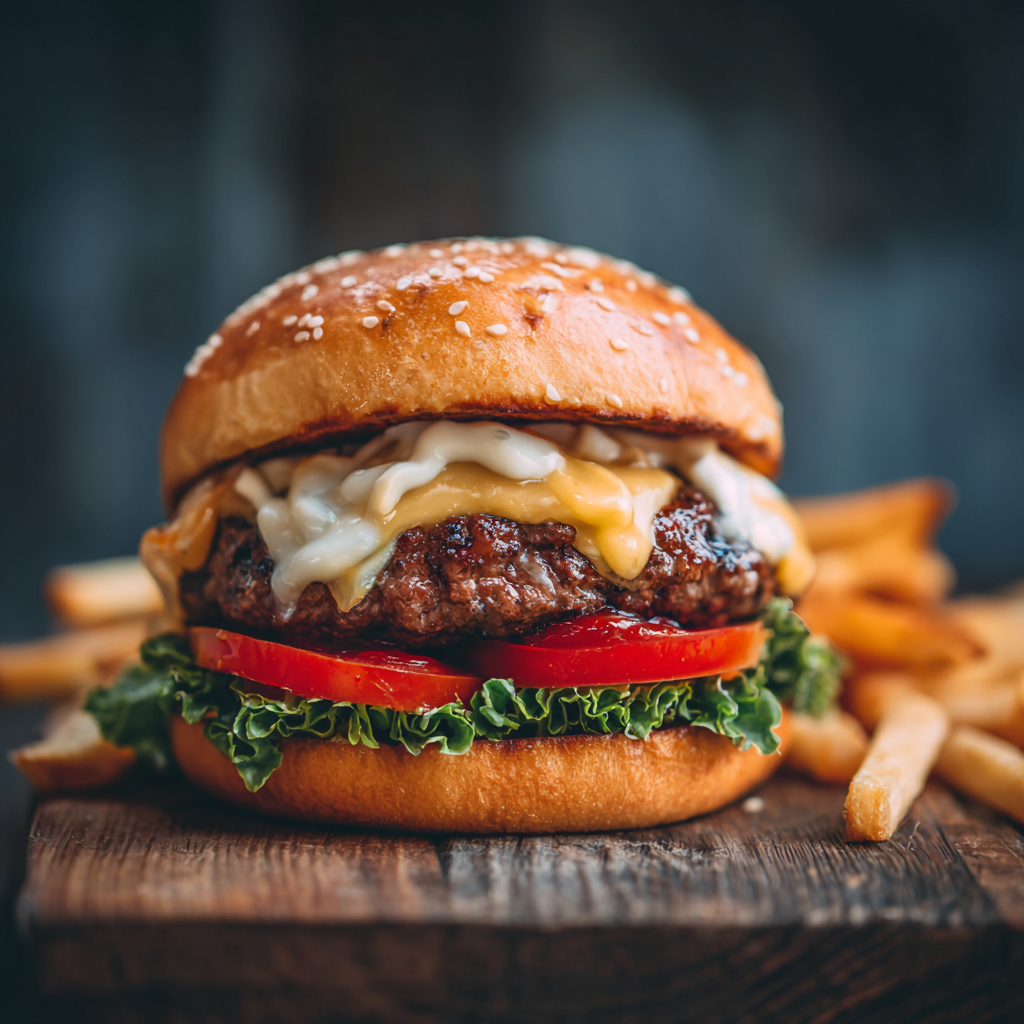
American burgers serve as the foundation for most international burgers. Their simplicity makes them easy to customize and adapt.
Classic Cheeseburgers
The classic American cheeseburger uses a beef patty, cheddar cheese, lettuce, tomato, onion, and pickles. This style influenced countless international burgers worldwide. Many countries started with this model before adding local twists.
Regional American Variations
From Texas BBQ burgers to California avocado burgers, American regions also helped shape global burger creativity. These variations inspired international chefs to experiment freely with flavors and textures.
European International Burgers
Europe offers some of the most refined international burgers, often combining comfort food with gourmet cooking.
British Burgers and Pub Culture
British burgers often feature thick beef patties, aged cheddar, caramelized onions, and brioche buns. Pub culture encourages hearty portions and rich flavors, making British-style international burgers filling and satisfying.
French Gourmet Burgers
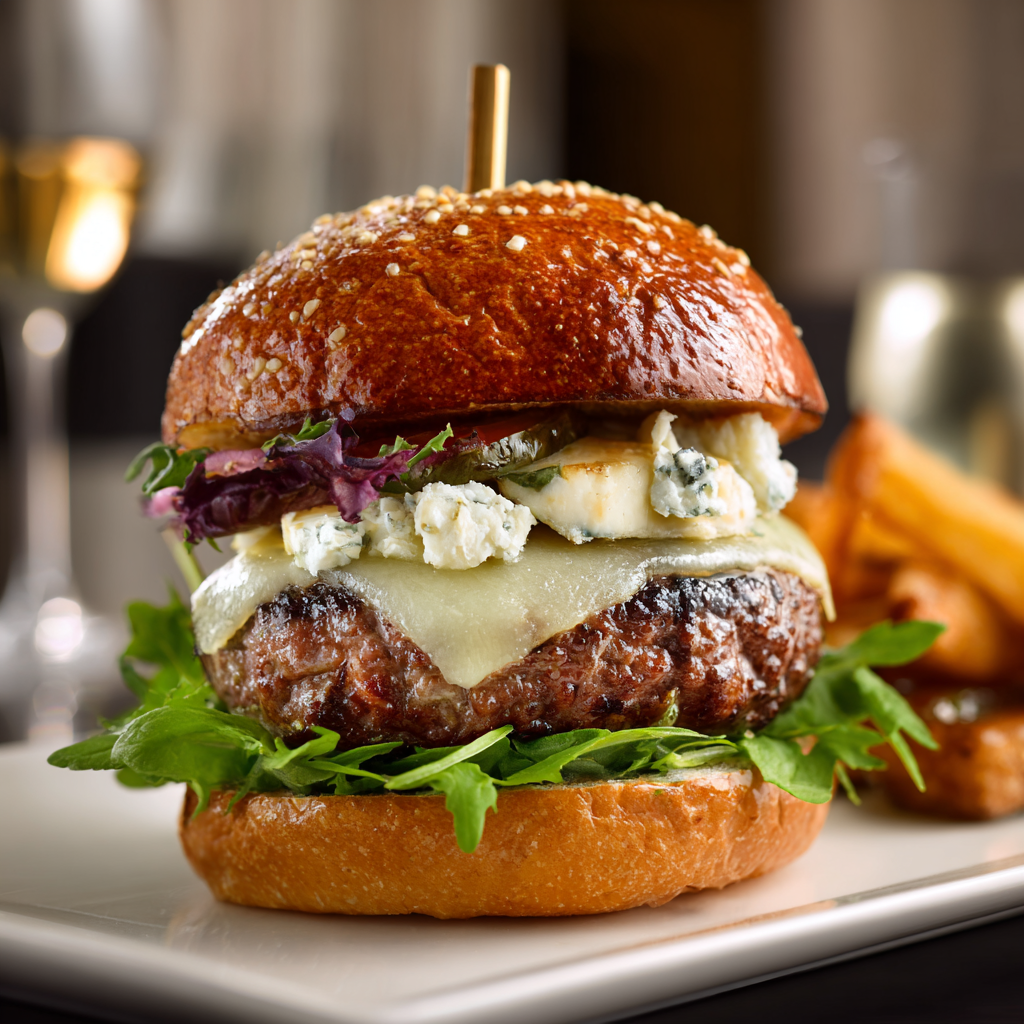
France transformed burgers into fine dining. French international burgers often include brie, blue cheese, truffle aioli, and high-quality beef. Presentation matters as much as taste, making these burgers elegant and indulgent.
German and Central European Burgers
German-inspired international burgers may include pork patties, sauerkraut, mustard sauces, or pretzel buns. These flavors reflect traditional comfort foods while maintaining a burger format.
Asian International Burgers
Asia has some of the most creative and innovative international burgers in the world.
Japanese Burgers and Precision Cooking
Japanese international burgers focus on balance and quality. Ingredients like teriyaki sauce, wasabi mayo, panko-crusted patties, and soft milk buns create a unique texture and flavor profile. Precision cooking ensures consistency and freshness.
Korean Bulgogi Burgers
Korean burgers often use marinated bulgogi beef, kimchi, and spicy gochujang sauce. These international burgers are bold, savory, and slightly sweet, offering a powerful taste experience.
Indian Vegetarian Burgers
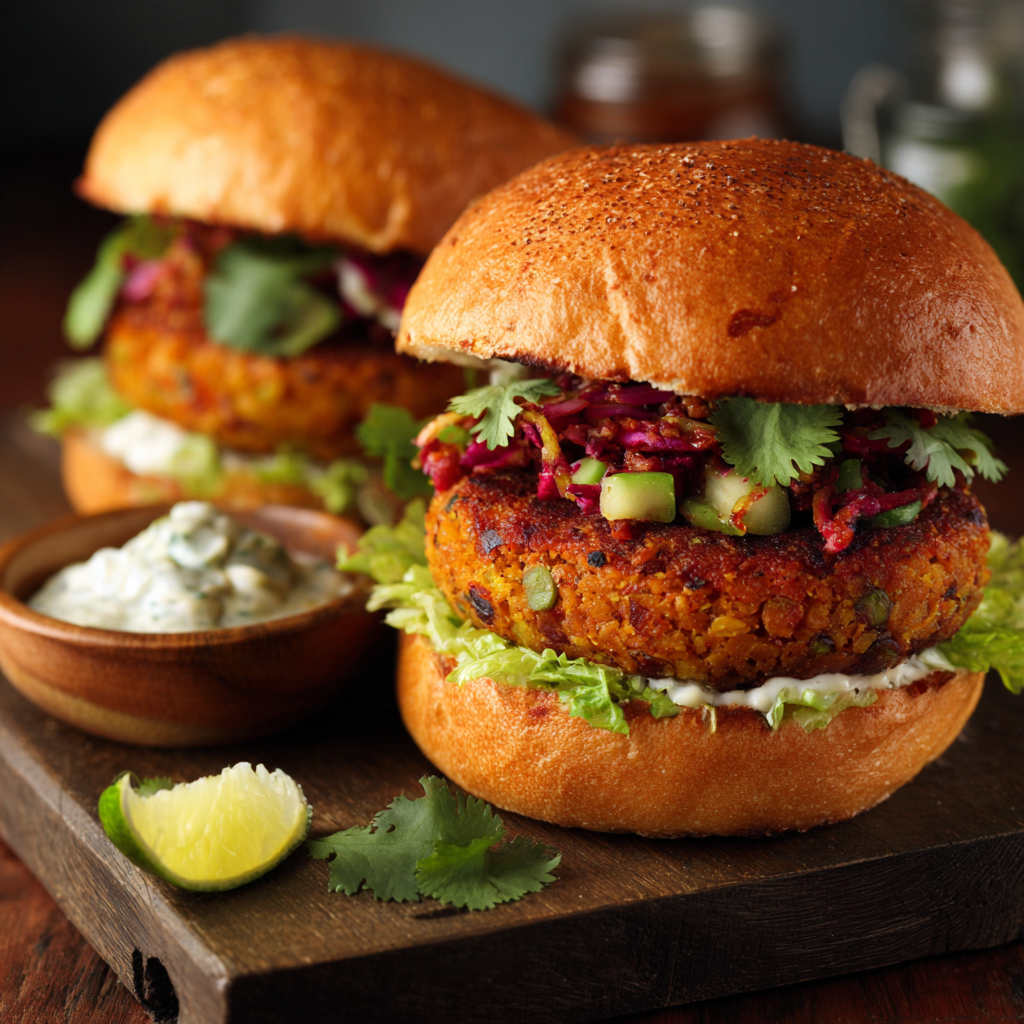
India popularized vegetarian international burgers using potato patties, chickpeas, lentils, and paneer. Spices such as cumin, coriander, and garam masala bring warmth and depth, proving burgers do not need meat to be delicious.
Middle Eastern Burger Innovations
Middle Eastern international burgers reflect a strong tradition of spices, grilled meats, and fresh ingredients.
Lamb Burgers and Spices
Lamb burgers seasoned with cumin, garlic, mint, and paprika are common. These international burgers are juicy and aromatic, often served with yogurt-based sauces or flatbread-style buns.
Halal Burger Culture
Halal international burgers are increasingly popular worldwide. They follow dietary guidelines while offering rich flavors through marinades, herbs, and high-quality meats.
African-Style Burgers
Africa’s burger styles are deeply rooted in grilling traditions and bold seasonings.
South African Boerewors Burgers
Boerewors burgers use spiced sausage patties instead of ground beef. Served with tomato relish or peri-peri sauce, these international burgers are smoky and flavorful.
North African Spice Influence
North African burgers often feature spices like harissa, cumin, and coriander. These international burgers deliver warmth and complexity without overwhelming heat.

Latin American International Burgers
Latin America brings passion and boldness to international burgers.
Mexican Burgers with Bold Flavors
Mexican international burgers may include jalapeños, guacamole, chipotle mayo, and pepper jack cheese. They balance heat, creaminess, and crunch beautifully.
Brazilian and Argentinian Burgers
Brazilian burgers often feature corn, eggs, or ham, while Argentinian burgers focus on high-quality beef and chimichurri sauce. These international burgers highlight the region’s love for grilled meats.
International Burger Ingredients Explained
International burgers stand out because of their ingredients. Different buns, proteins, sauces, and toppings create endless combinations. Brioche buns, naan, pretzel rolls, or rice buns all change the eating experience.
Proteins range from beef and chicken to lamb, fish, and plant-based options. Sauces often carry the strongest cultural identity, from teriyaki to harissa.
Vegetarian and Vegan International Burgers
Vegetarian and vegan international burgers are no longer afterthoughts. Many cultures naturally rely on plant-based ingredients, making global vegetarian burgers rich and satisfying.
From falafel burgers to black bean patties, these options offer nutrition, sustainability, and great taste. Vegan international burgers are especially popular among younger generations.

International Burgers vs Traditional Burgers
Traditional burgers focus on simplicity. International burgers focus on storytelling. Each one reflects a place, a culture, and a history.
While traditional burgers rely on familiar flavors, international burgers invite experimentation. Both have their place, but international burgers expand our understanding of what a burger can be.
How International Burgers Reflect Culture
Food tells stories, and international burgers are no exception. They represent migration, adaptation, and creativity. By eating an international burger, you experience a small part of another culture.
This cultural exchange makes burgers more than food. They become a bridge between people and traditions.
FAQs About International Burgers
1. What makes international burgers different from regular burgers?
International burgers use global flavors, spices, and ingredients inspired by specific cultures.
2. Are international burgers always spicy?
No, some are mild and creamy, while others are bold and spicy.
3. Can international burgers be healthy?
Yes, many use lean proteins, vegetables, and balanced ingredients.
4. Are vegetarian international burgers popular?
Yes, especially in regions with strong plant-based traditions.
5. Can I make international burgers at home?
Absolutely. Many recipes use simple ingredients with unique spices.
6. Why are international burgers so popular?
They combine comfort food with global flavors, making them exciting and familiar.
Future Trends Shaping Global Burger Culture
As food trends continue to evolve, burgers are changing right along with them. Around the world, chefs are experimenting with new techniques, sustainable ingredients, and modern dining habits. These trends are shaping how people enjoy burgers today and how they will enjoy them in the future.
One major trend is premium sourcing. Consumers are paying closer attention to where their food comes from. Grass-fed beef, free-range chicken, and locally sourced vegetables are becoming more common. This focus on quality elevates burgers from fast food to thoughtfully prepared meals.
Another important trend is fusion cooking. Chefs are no longer limiting themselves to one country’s flavors. You may see a burger that blends Japanese teriyaki sauce with Mexican jalapeños or a Mediterranean-style patty topped with Korean kimchi. These cross-cultural combinations highlight creativity and global connection.
Street Food vs Gourmet Burger Experiences
Around the world, burgers appear in two very different but equally exciting environments: street food stalls and gourmet restaurants.
Street-Style Burgers
Street burgers are quick, affordable, and bold in flavor. They often focus on strong sauces, grilled patties, and simple toppings. In many countries, street burgers reflect local comfort food and everyday eating habits. They are usually wrapped in paper, eaten by hand, and enjoyed on the go.
These burgers are popular because they are accessible and authentic. They reflect how real people eat daily, not just how food is presented in restaurants.
Gourmet Burger Restaurants
On the other end of the spectrum are gourmet burger restaurants. These places focus on presentation, unique ingredients, and careful preparation. Think aged cheeses, specialty buns, handmade sauces, and premium meats.
While more expensive, gourmet burgers offer a refined experience. They show how a simple idea can be transformed into something elegant and memorable.
How Travel and Tourism Influence Burger Styles
Travel plays a huge role in spreading burger ideas across borders. Tourists often seek familiar foods while traveling, and burgers provide comfort in unfamiliar places. At the same time, travelers want to try something new.
This demand encourages local chefs to adapt burgers using regional flavors. When travelers return home, they often crave those flavors again, helping new burger styles spread internationally.
Food tourism has turned burgers into souvenirs of taste. Each bite reminds travelers of places they have visited and cultures they have experienced.
Health-Conscious Burger Innovations
Health awareness has changed how burgers are made and eaten. Many people now look for balanced meals without sacrificing flavor.
Some modern approaches include:
- Leaner protein options such as turkey or fish
- Smaller portion sizes paired with fresh salads
- Whole-grain or gluten-free buns
- Reduced sugar and lower-fat sauces
Plant-based patties are also growing in popularity. They offer protein and texture similar to meat while supporting environmental sustainability. These innovations make burgers suitable for a wider audience.
The Role of Technology in Burger Evolution
Technology has influenced nearly every part of food culture, including burgers. Digital ordering, food delivery apps, and social media have transformed how people discover and enjoy new flavors.
Chefs now test ideas online, respond to customer feedback quickly, and share creations instantly. Viral burger trends can spread across countries in weeks instead of years.
Kitchen technology has also improved consistency and safety. Temperature-controlled grills and precision cooking tools help ensure every burger meets high standards.
Cultural Respect and Authenticity in Global Food
As burgers borrow flavors from different cultures, authenticity and respect matter more than ever. Chefs who understand the origins of spices, sauces, and techniques create more meaningful dishes.
Respectful adaptation means honoring traditional flavors while presenting them in a new format. This approach builds appreciation rather than imitation and encourages cultural learning through food.
Why Burgers Continue to Unite People Worldwide
Burgers remain popular because they are simple, flexible, and familiar. They can be shared, customized, and enjoyed by people of all ages. Across cultures, burgers bring people together at tables, festivals, and celebrations.
They also serve as a creative canvas. No matter where you are in the world, a burger can reflect local identity while still feeling universal.
Additional Frequently Asked Questions
7. Are burgers considered fast food everywhere?
No. In many countries, burgers are served in fine-dining restaurants and are viewed as gourmet meals.
8. Do different cultures use different buns?
Yes. Buns vary widely, including brioche, flatbread, pretzel rolls, rice buns, and even lettuce wraps.
9. What sauces define global burger styles?
Sauces like chimichurri, teriyaki, yogurt-based dressings, and spicy chili sauces often define regional styles.
10. Can burgers represent national identity?
Yes. Many countries adapt burgers to reflect traditional flavors, making them symbols of modern cuisine.
Final Thoughts on the World of Burgers
Burgers have traveled far beyond their origins. They have absorbed flavors, traditions, and stories from every corner of the globe. This evolution shows how food adapts, connects people, and reflects shared creativity.
Whether enjoyed from a street vendor or a high-end restaurant, burgers continue to surprise and delight. Their ability to change while remaining familiar is what keeps them relevant in an ever-changing world.