
Moroccan harira is a rich, comforting soup packed with lentils, tomatoes, and warm spices—discover its history, ingredients, recipe tips, and cultural significance in this complete guide.
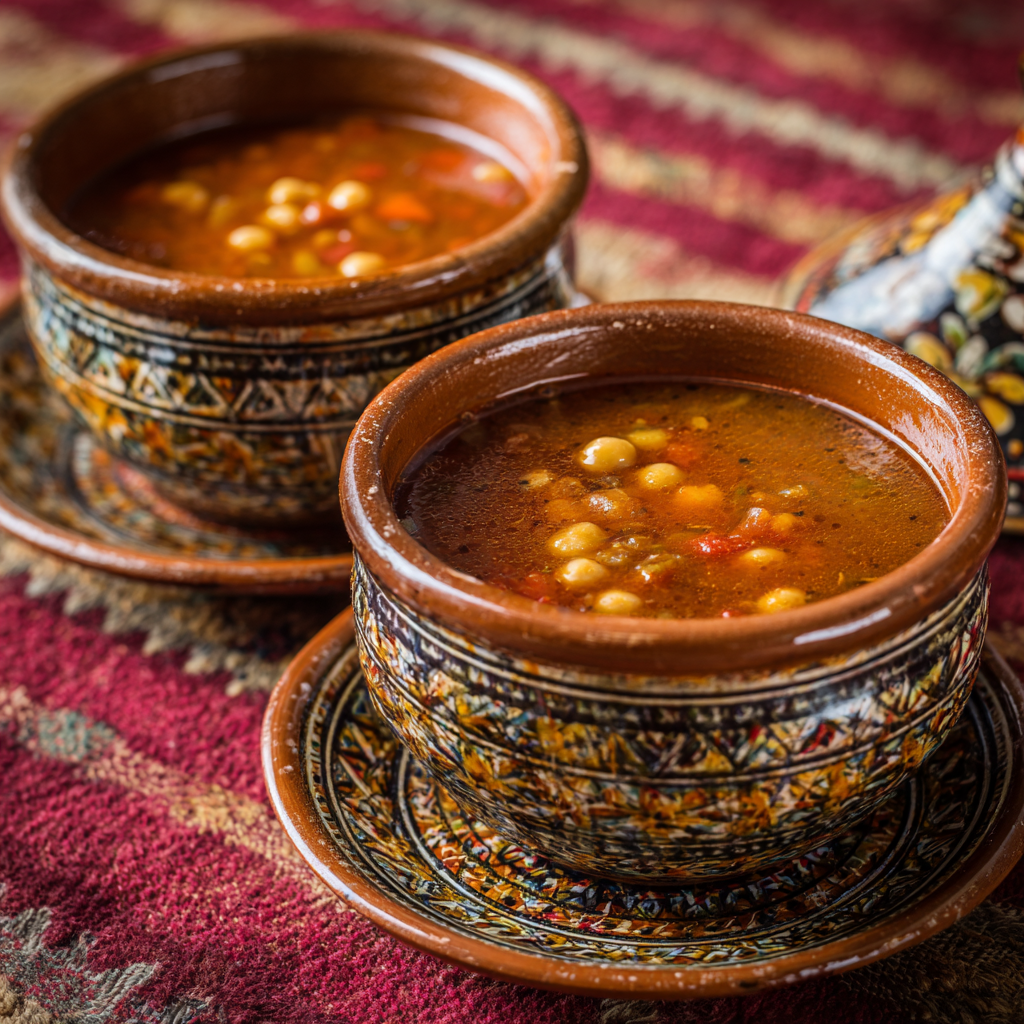
When it comes to traditional North African comfort food, Moroccan harira stands tall as one of the most beloved dishes from Morocco. This hearty, tomato-based soup blends lentils, chickpeas, fresh herbs, and warming spices into one nourishing bowl. Whether served during family gatherings or after sunset meals in Ramadan, Moroccan harira isn’t just food—it’s culture, history, and comfort all simmered together.
In this comprehensive guide, you’ll discover everything you need to know about Moroccan harira: its origins, authentic ingredients, step-by-step cooking tips, health benefits, and serving traditions. Let’s dive right in!
Comprehensive Outline
| Heading Level | Topic |
|---|---|
| H1 | Moroccan Harira: 7 Irresistible Secrets Behind This Comforting Moroccan Classic |
| H2 | The Rich Cultural History of Moroccan Harira |
| H3 | Origins in Moroccan Cuisine |
| H3 | Harira and Ramadan Traditions |
| H3 | Regional Variations Across Morocco |
| H2 | Essential Ingredients in Moroccan Harira |
| H3 | Lentils and Chickpeas: The Protein Base |
| H3 | Tomatoes and Fresh Herbs |
| H3 | Traditional Moroccan Spices |
| H3 | Meat Options: Lamb or Beef |
| H2 | Step-by-Step Authentic Moroccan Harira Recipe |
| H3 | Preparation Tips Before Cooking |
| H3 | Cooking Process Explained |
| H3 | Thickening the Soup Properly |
| H2 | Health Benefits of Moroccan Harira |
| H3 | Nutritional Value Overview |
| H3 | Plant-Based Adaptations |
| H2 | How Moroccan Harira Is Traditionally Served |
| H3 | Accompaniments and Side Dishes |
| H3 | Presentation and Garnishing |
| H2 | Common Mistakes to Avoid |
| H2 | FAQs About Moroccan Harira |
| H2 | Final Thoughts on Moroccan Harira |
The Rich Cultural History of Moroccan Harira
Origins in Moroccan Cuisine
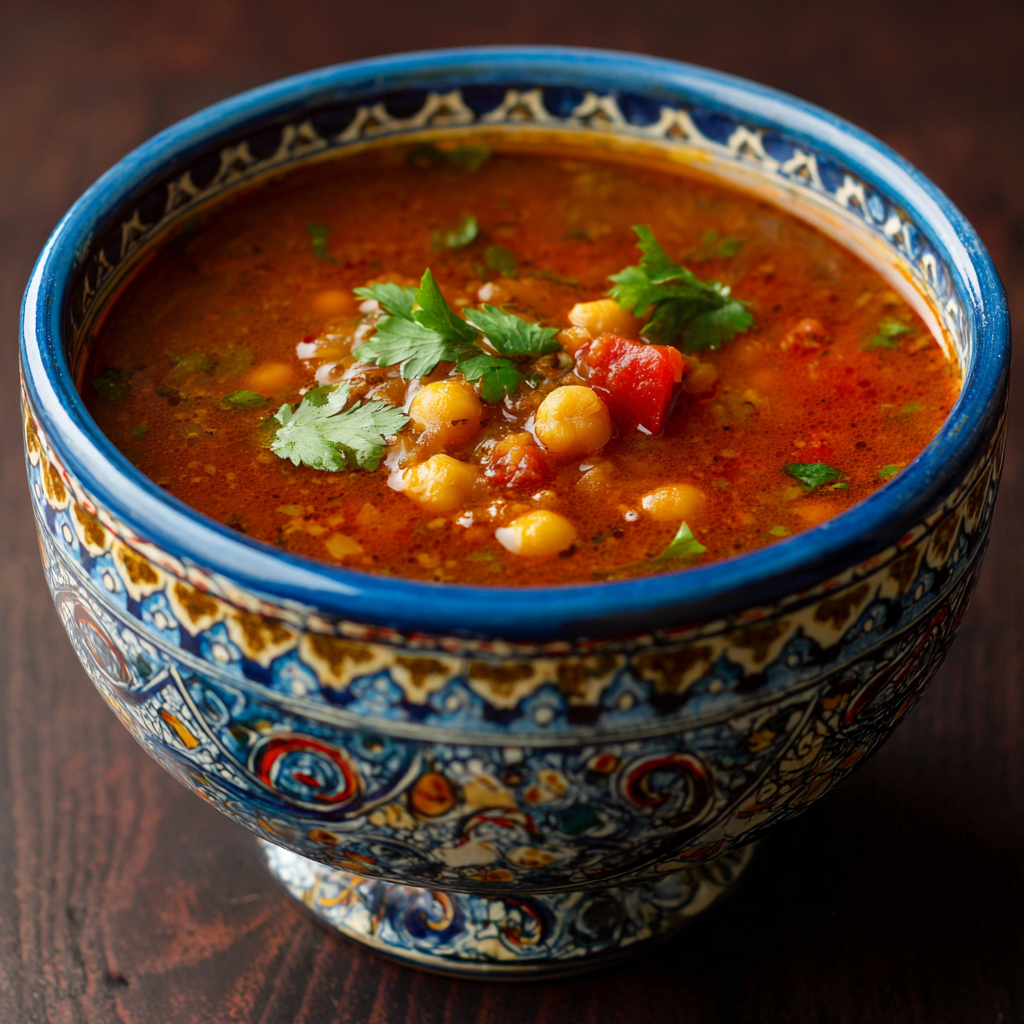
Moroccan harira has deep roots in Moroccan culinary tradition. This iconic soup dates back centuries and reflects the country’s diverse influences—Berber, Arab, Andalusian, and Mediterranean. Its rich tomato base and balanced spice blend make it uniquely Moroccan, while still approachable for global palates.
Historically, families prepared harira in large pots to feed many people at once. It was practical, filling, and affordable—perfect for extended households. Over time, Moroccan harira evolved into a national symbol of hospitality and warmth.
Harira and Ramadan Traditions
One cannot discuss Moroccan harira without mentioning Ramadan. During this holy month, families break their fast at sunset with dates, milk, and a steaming bowl of harira. It replenishes energy and gently prepares the stomach after a long day of fasting.
In cities like Marrakesh and Casablanca, the aroma of simmering harira fills neighborhoods each evening. It’s truly a shared experience.
Regional Variations Across Morocco
Though the core ingredients remain similar, each region adds its own twist. Some versions include rice; others add vermicelli noodles. Coastal areas may adjust seasoning, while rural families often cook it thicker and heartier.
Essential Ingredients in Moroccan Harira
The beauty of Moroccan harira lies in its balanced simplicity.
Lentils and Chickpeas: The Protein Base
Brown lentils and soaked chickpeas form the backbone of this soup. They provide plant-based protein, fiber, and texture. Together, they create a satisfying, hearty consistency.
Tomatoes and Fresh Herbs
Fresh tomatoes (or tomato puree) give harira its vibrant red color. Parsley and cilantro add brightness and freshness, balancing the richness of the legumes.
Traditional Moroccan Spices
When it comes to making authentic harira, the magic truly lies in the spice blend. Traditional Moroccan spices for harira create that warm, rich, and slightly earthy flavor that makes this iconic soup unforgettable. These spices don’t overpower the dish—they work together in harmony, giving harira its signature depth and comforting aroma.
In Moroccan kitchens, especially across Morocco, spice blending is almost an art form. Let’s explore the essential spices that bring harira to life.
1. Turmeric – The Golden Foundation
Turmeric is one of the most important traditional Moroccan spices for harira. It gives the soup its beautiful golden-red hue and mild earthy flavor.
Why it’s essential:
- Adds warm color
- Provides subtle bitterness
- Offers anti-inflammatory benefits
It’s not spicy—just grounding and comforting.
2. Ground Ginger – Warm and Fragrant
Moroccan cooking often uses ground ginger instead of fresh ginger. In harira, it adds warmth without heat.
Flavor profile:
- Slightly sweet
- Aromatic
- Softly peppery
Ginger helps balance the acidity of tomatoes in the soup.
3. Cinnamon – A Subtle Sweet Note
Cinnamon may surprise some people, but it’s a key component in traditional Moroccan spices for harira.
Unlike desserts, the amount used in harira is small. It adds:
- Gentle sweetness
- Aromatic complexity
- Depth without overpowering
This subtle sweetness pairs beautifully with lentils and chickpeas.
4. Black Pepper – Mild Heat
Black pepper gives harira a gentle kick. It’s not meant to make the soup spicy—just slightly warming.
Most Moroccan cooks use freshly ground black pepper for stronger aroma.
5. Saffron – The Luxurious Touch
Saffron is optional but highly traditional. In cities like Marrakesh and Fez, saffron is prized for its aroma and color.
What saffron adds:
- Floral fragrance
- Rich golden tint
- Refined depth
Because saffron is expensive, many home cooks use just a pinch—or skip it entirely.
6. Smoked Paprika (Optional Modern Addition)
While not always traditional, some families add sweet or smoked paprika to enhance color and flavor.
It adds:
- Mild sweetness
- Light smokiness
- Deeper red color
7. Ras el Hanout (Optional Blend)
Ras el Hanout is a Moroccan spice blend that can contain up to 20+ spices. Some cooks add a small amount to their harira for extra complexity.
It may include:
- Cardamom
- Cloves
- Nutmeg
- Coriander
- Allspice
However, traditionalists often stick to the core spices instead of using the full blend.
8. Fresh Herbs – The Essential Finish
Although not technically spices, herbs are just as important.
Harira always includes:
- Fresh parsley
- Fresh cilantro
These herbs brighten the soup and balance the warm spices beautifully.
9. Salt – The Flavor Enhancer
Salt may seem simple, but correct seasoning makes or breaks harira. Moroccan cooks season gradually during cooking rather than adding all the salt at once.
How to Balance Traditional Moroccan Spices for Harira
The key to authentic flavor is balance—not intensity.
Here’s a simple ratio guideline for a medium-sized pot:
- 1 teaspoon turmeric
- 1 teaspoon ground ginger
- ½ teaspoon cinnamon
- ½ teaspoon black pepper
- Pinch of saffron
Always sauté spices briefly in oil before adding liquid. This releases their essential oils and deepens flavor.
Common Mistakes When Using Moroccan Spices
- ❌ Adding too much cinnamon
- ❌ Skipping fresh herbs
- ❌ Not blooming spices in oil
- ❌ Overpowering the soup with Ras el Hanout
Remember: harira should taste warm and layered—not spicy or overwhelming.
Frequently Asked Questions
1. Is harira supposed to be spicy?
No. Traditional Moroccan spices for harira create warmth, not heat.
2. Can I use fresh ginger instead of ground?
Yes, but the flavor will be slightly sharper.
3. What if I don’t have saffron?
You can skip it. The soup will still taste authentic.
4. Is cumin used in traditional harira?
Some regional variations include cumin, but it’s not always essential.
5. Can I prepare the spice mix in advance?
Absolutely. Pre-mixing spices saves time and ensures consistency.
6. Where can I buy authentic Moroccan spices?
Specialty Middle Eastern or North African grocery stores often carry high-quality spices. You can also find reputable sources online like The Spice House (https://www.thespicehouse.com).
Health Benefits of Moroccan Harira
Nutritional Value Overview
Moroccan harira is incredibly nutritious. It offers:
- High fiber from lentils and chickpeas
- Protein from legumes and meat
- Antioxidants from tomatoes
- Anti-inflammatory properties from turmeric and ginger
It’s filling without being heavy.
For more information on the Mediterranean diet benefits, you can explore resources from Harvard Health:
https://www.health.harvard.edu/staying-healthy/the-mediterranean-diet
Plant-Based Adaptations
Vegetarian and vegan versions skip the meat while maintaining flavor through extra herbs and spices. It’s naturally dairy-free and easily adaptable.
Authentic Moroccan Harira Recipe (Traditional Version with Meat)
If you want to make Moroccan harira the traditional way—just like families do in Morocco—this recipe will guide you step by step.
Ingredients (Serves 6–8)
- 200g (7 oz) lamb or beef, cut into small cubes
- 1 cup dried chickpeas (soaked overnight, skins removed if possible)
- ½ cup brown lentils (rinsed)
- 1 large onion, finely chopped
- 2 celery stalks, chopped
- 1 cup fresh parsley, finely chopped
- 1 cup fresh cilantro, finely chopped
- 4 large ripe tomatoes (blended or grated)
- 2 tbsp tomato paste
- 3 tbsp olive oil
- 1 tsp turmeric
- 1 tsp ground ginger
- ½ tsp cinnamon
- ½ tsp black pepper
- 1 pinch saffron threads (optional)
- Salt to taste
- 2 liters (8 cups) water or beef broth
- ½ cup vermicelli noodles (optional)
For the Thickening Mixture (Tedouira)
- ¼ cup flour
- 1 cup water (whisked until smooth)
Step-by-Step Cooking Instructions
Step 1: Sauté the Base
Heat olive oil in a large pot over medium heat. Add the chopped onion, celery, and meat. Sauté for about 5 minutes until the onions soften and the meat lightly browns.
Step 2: Add Spices and Tomatoes
Stir in turmeric, ginger, cinnamon, black pepper, and saffron. Let the spices toast for 1 minute to release their aroma.
Add blended tomatoes and tomato paste. Stir well and cook for 5 minutes.
Step 3: Add Legumes and Simmer
Add soaked chickpeas and lentils to the pot. Pour in water or broth. Bring to a boil, then reduce to low heat.
Cover and simmer for 45–60 minutes until chickpeas and lentils are tender.
Step 4: Add Fresh Herbs
Add parsley and cilantro. Stir and cook for another 5 minutes.
Step 5: Thicken the Soup
Slowly pour in the flour-water mixture while stirring continuously. This prevents lumps and creates the signature smooth texture of Moroccan harira.
Simmer for 10 minutes until slightly thickened.
Step 6: Final Touch
Add vermicelli if using and cook for 5 more minutes. Adjust salt. Serve hot with lemon wedges.
Vegetarian Moroccan Harira Recipe (Easy & Healthy Version)
Prefer a plant-based option? No problem! This vegetarian Moroccan harira is just as comforting and flavorful.
Ingredients (Serves 6)
- 1 cup chickpeas (soaked overnight)
- ¾ cup brown lentils
- 1 onion, finely chopped
- 2 celery stalks
- 4 tomatoes, blended
- 2 tbsp tomato paste
- 1 cup parsley
- 1 cup cilantro
- 3 tbsp olive oil
- 1 tsp turmeric
- 1 tsp ginger
- ½ tsp paprika
- Salt and pepper to taste
- 2 liters vegetable broth
- ¼ cup flour + 1 cup water (for thickening)
Cooking Instructions
- Heat olive oil and sauté onion and celery until soft.
- Add spices and toast lightly.
- Stir in tomatoes and tomato paste.
- Add chickpeas, lentils, and vegetable broth.
- Simmer 45–60 minutes until tender.
- Add herbs.
- Slowly mix in flour mixture while stirring.
- Simmer until slightly thick and creamy.
Serve with fresh bread and dates for an authentic Moroccan experience.
Quick 30-Minute Moroccan Harira (Pressure Cooker Version)
Short on time? This shortcut version delivers incredible flavor fast.
Ingredients
Use the same ingredients as the traditional recipe but:
- Use canned chickpeas (drained)
- Use pre-cooked lentils
Instructions
- Sauté onions, celery, and meat.
- Add spices and tomatoes.
- Add canned chickpeas and lentils.
- Add broth and pressure cook for 15 minutes.
- Release pressure naturally.
- Add herbs and thickening mixture.
- Simmer uncovered for 5–10 minutes.
Done! Dinner is served.
Pro Cooking Tips for Perfect Moroccan Harira
- Always soak chickpeas overnight for best texture.
- Fresh herbs make a huge difference—don’t skip them!
- Add lemon juice just before serving.
- Let the soup rest 10 minutes before serving for deeper flavor.
- Harira tastes even better the next day.
How Moroccan Harira Is Traditionally Served
Accompaniments and Side Dishes
Moroccan harira is often served with:
- Fresh dates
- Chebakia (sesame honey pastries)
- Warm bread
- Hard-boiled eggs
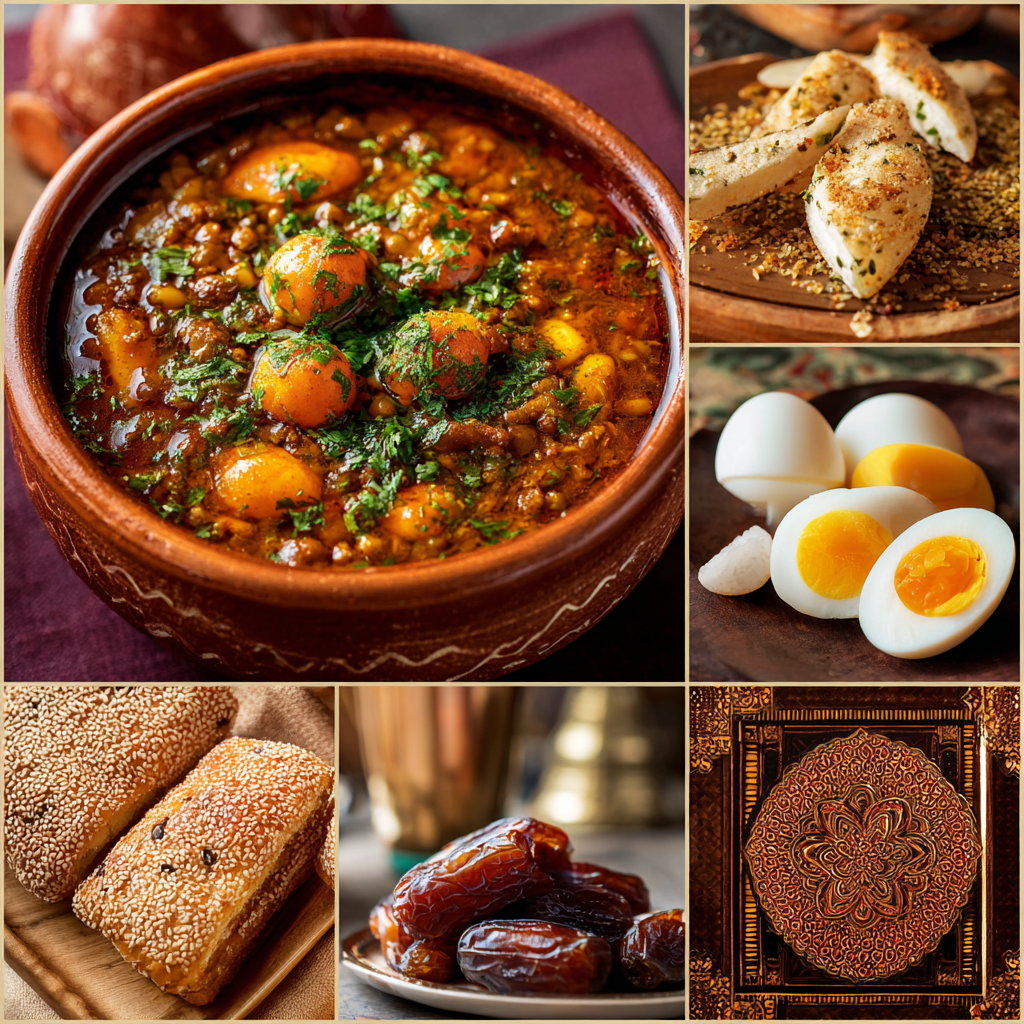
These additions balance sweet and savory flavors.
Presentation and Garnishing
A squeeze of lemon just before serving enhances brightness. Some families sprinkle extra parsley on top for freshness.
Common Mistakes to Avoid
- Skipping the herb blend
- Adding thickener too quickly
- Under-seasoning spices
- Not simmering long enough
Patience is key when making Moroccan harira!
FAQs About Moroccan Harira
1. Is Moroccan harira always eaten during Ramadan?
No, but it’s most popular during Ramadan. Many families enjoy it year-round.
2. Can Moroccan harira be frozen?
Yes! It freezes well for up to three months.
3. Is Moroccan harira spicy?
Not typically. It’s flavorful and aromatic rather than hot.
4. Can I make Moroccan harira vegetarian?
Absolutely. Simply omit the meat and adjust seasoning.
5. How long does Moroccan harira last in the fridge?
About 3–4 days in an airtight container.
6. What makes Moroccan harira different from other lentil soups?
Its unique spice blend, herb freshness, and traditional thickening method set it apart.
Final Thoughts on Moroccan Harira
Moroccan harira is more than just soup—it’s a celebration of Moroccan heritage, nourishment, and community. From its comforting aroma to its rich texture, every spoonful tells a story of tradition and togetherness.
If you’re looking to explore authentic Moroccan cuisine, starting with Moroccan harira is a delicious first step.